


How to Clean a Water Tank in Kenya (2026): Step-by-Step, How Often, and Keeping Stored Water Safe
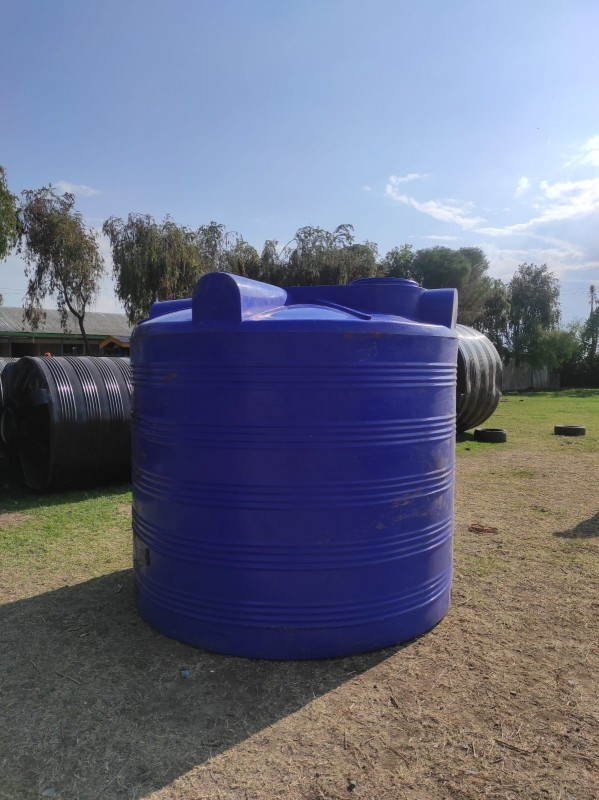
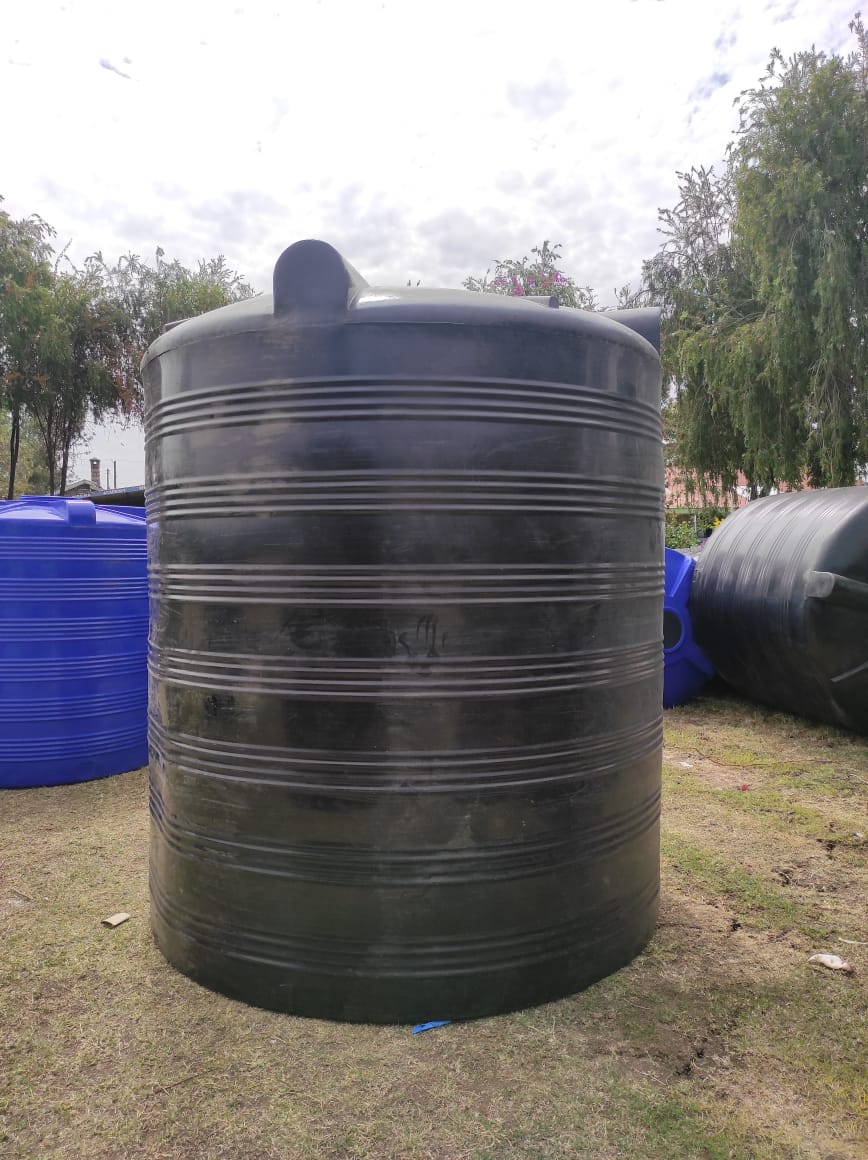
Even a covered tank collects silt, algae and slime over time, and dirty tanks can make water unsafe to drink. Cleaning one is a simple half-day job. Here is how, and the tanks available on Buy More Mall from Lets Construct.
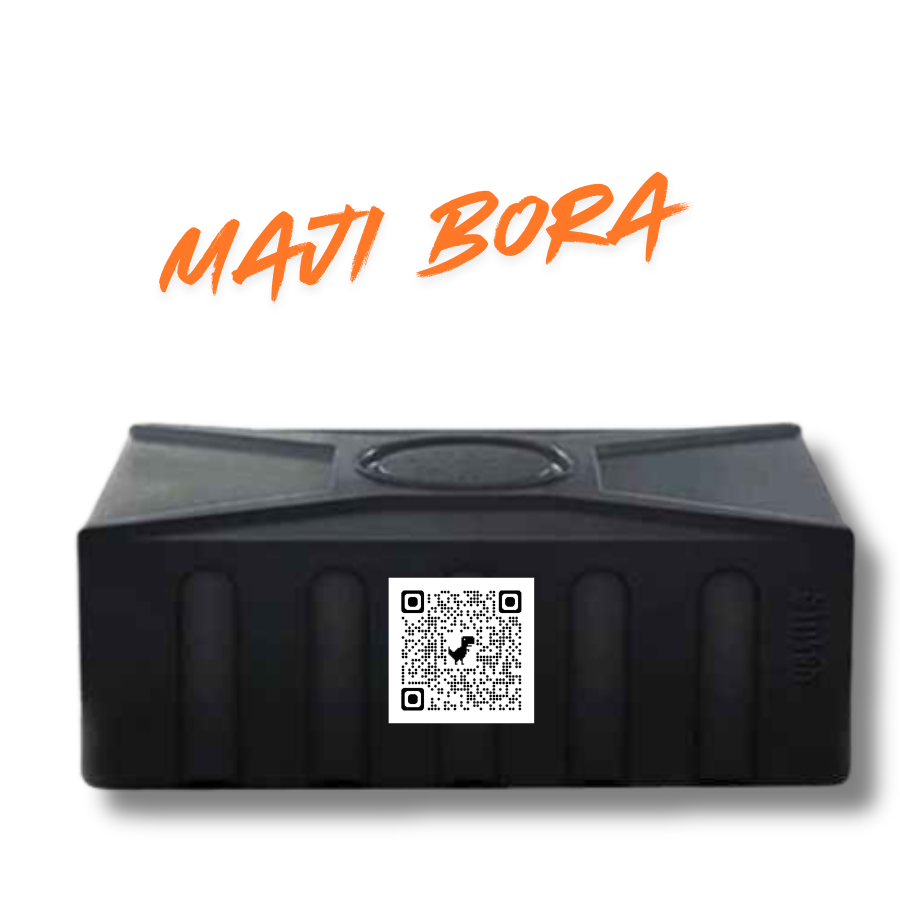
KSh 12,500
KSh 43,800
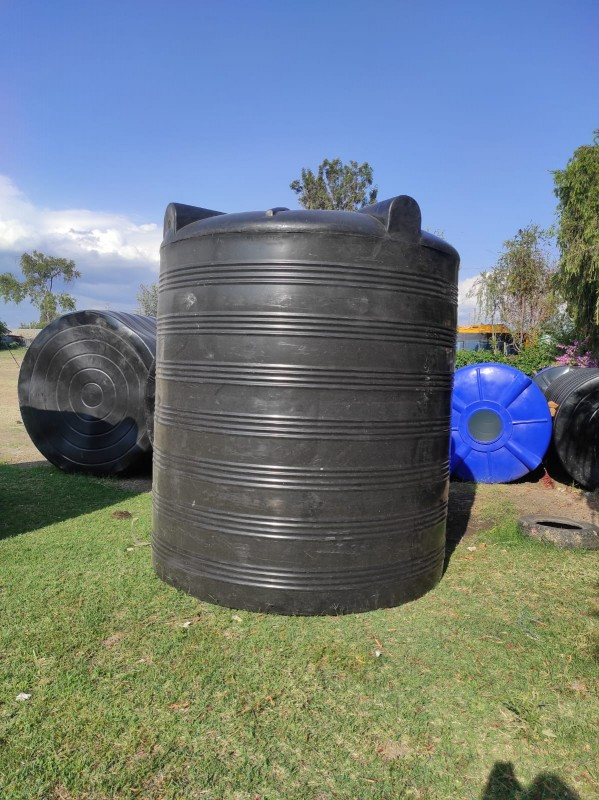
KSh 56,000
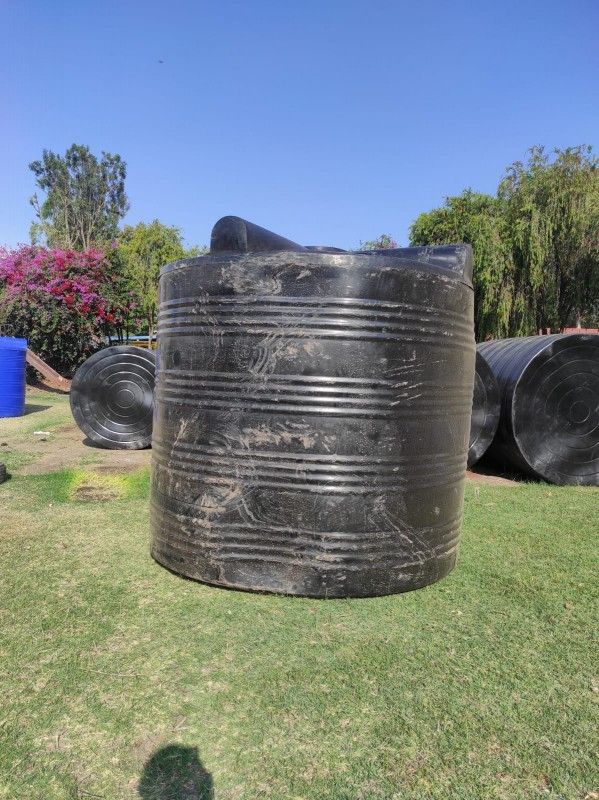
KSh 68,000
How Often Should a Water Tank Be Cleaned?
Clean it at least once or twice a year, and straight away if the water smells, changes colour, shows insects or algae, or after floods or repairs to the supply. Tanks fed by rainwater or boreholes may need cleaning more often.
What You Need
- Gloves, boots and a soft brush or sponge (no wire brushes on plastic).
- Buckets, a wet-dry vacuum or scoop for sludge.
- Clean water and a hose.
- A chlorine product suitable for drinking water disinfection, used as its label directs.
How to Clean a Water Tank: Step by Step
- Close the inlet (and isolate the pump) so no new water enters.
- Drain the tank through the outlet or drain valve; use the water for washing or the garden.
- Remove the sludge at the bottom with a scoop or vacuum.
- Scrub the walls and floor with clean water and a soft brush. Avoid soaps that leave residue.
- Rinse and drain the dirty water out.
- Disinfect: refill partly, add chlorine as the product label directs for disinfecting storage tanks, run it through the taps until you smell chlorine, and leave it to stand for the time stated.
- Flush: drain the chlorinated water, refill with clean water and run the taps until the strong chlorine smell has gone.
- Check the lid, overflow and vent screens so insects and dirt cannot get back in.
Safety: never climb into a tank alone or work inside one that has had chlorine in it without ventilation; fumes build up in closed spaces. Large or underground tanks are best cleaned by professionals.
Can I Clean a Tank Without Emptying It?
You can vacuum sludge from a full tank, but you cannot scrub and disinfect it properly. Plan cleaning when the tank is low, and keep a second tank or containers for water in the meantime.
Keeping Stored Water Safe to Drink
- Keep the lid tight and the tank out of direct sun where possible (light encourages algae).
- Treat drinking water: a home purifier or UV sterilizer adds protection. See RO Water Purifier Price and UV Water Sterilizer Price.
- Replace old, cracked or brittle tanks.
Water Tank Prices
| Tank | Price |
|---|---|
| 1000L Reliance Loft Tank – No More Water Shortages! | KSh 12,500 |
| 6000Ltrs Water Storage Tank | KSh 43,800 |
| 8000Ltrs Water Storage Tank | KSh 56,000 |
| 10,000Ltrs Water Storage Tank | KSh 68,000 |
Full range and sizing: Water Tank Price in Kenya.
Not sure which one fits? Send us your details on WhatsApp or through the product page and we will help you choose.
Frequently Asked Questions
How do you clean a water tank?
Close the inlet, drain, remove sludge, scrub with a soft brush, rinse, disinfect with chlorine as the label directs, then flush until the smell is gone.
How often should a water tank be cleaned?
At least once or twice a year, and immediately if the water smells, changes colour or after floods.
Can I use bleach to clean a water tank?
Use a chlorine product suitable for drinking water disinfection and follow its label for dose and contact time, then flush well.
Can I clean a water tank without removing the water?
You can vacuum sludge, but proper scrubbing and disinfection need the tank emptied.
How much is a water tank in Kenya?
On Buy More Mall, a 1000-litre loft tank is KSh 12,500 and a 10,000-litre tank KSh 68,000.
Prices shown are regular prices on Buy More Mall. Many products are currently on offer, so open the product page to see today's price.
Related Guides
Recent Posts
Damp Walls and Rising Damp in Kenya (2026): Causes and Lasting Fixes
Circuit Breaker Sizes and Consumer Unit Guide for Kenyan Homes (2026)

How to Reduce Your Electricity Bill in Kenya (2026): 15 Practical Ways
How to Fix a Leaking Roof in Kenya (2026): Mabati, Tiles and Gutters
 buymoremall
Kenya's Online Marketplace
buymoremall
Kenya's Online Marketplace
Buy More Mall Kenya gives you a direct link to manufacturers, suppliers and service providers. Sellers are verified, there are no shortcuts, and customised orders come at affordable rates.
- Buy direct from manufacturers & suppliers
- Verified sellers and service providers
- Pay securely with M-Pesa
Shop
Sell & Earn
Help
Contact Us
- 0717 263 774
- Chat on WhatsApp
- buymoremallkenya@gmail.com
- Eastern bypass Ruiru Near Naivas super market @ kamakis & Nanyuki Neema Academy
- Contact page