


How to Install a Water Tank and Tank Stand in Kenya (2026)
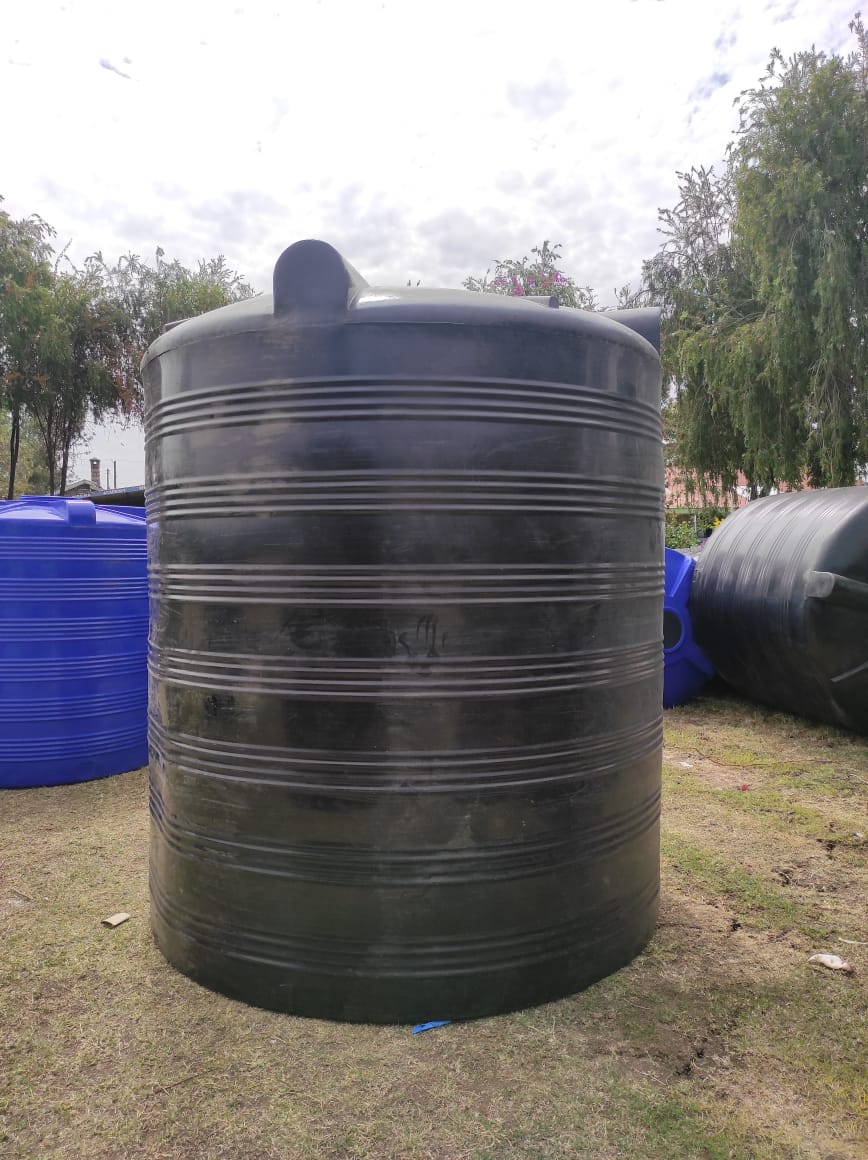
A badly installed tank cracks, leaks or gives weak pressure. Getting the base, height and pipework right makes it last for years.
Quick answer: Put the tank on a flat, level, solid base that supports the full weight (1,000 litres of water weighs about 1 tonne). Raise it for pressure if you rely on gravity. Fit an inlet with a float valve, an outlet with an isolation valve, an overflow that drains away from the foundation, and a drain valve for cleaning.
Step-by-Step Installation
- Choose the size (see tank sizes and prices).
- Prepare a level concrete base or a steel/masonry stand rated for the full weight.
- Place the tank with the outlet facing the house supply.
- Fit the inlet with a float (ball) valve so it stops when full.
- Fit the outlet with a gate or ball valve and a strainer.
- Run the overflow pipe to a drain or soak area away from walls.
- Fit a drain valve at the bottom for cleaning.
- Flush, fill and check every joint for leaks.
Tanks
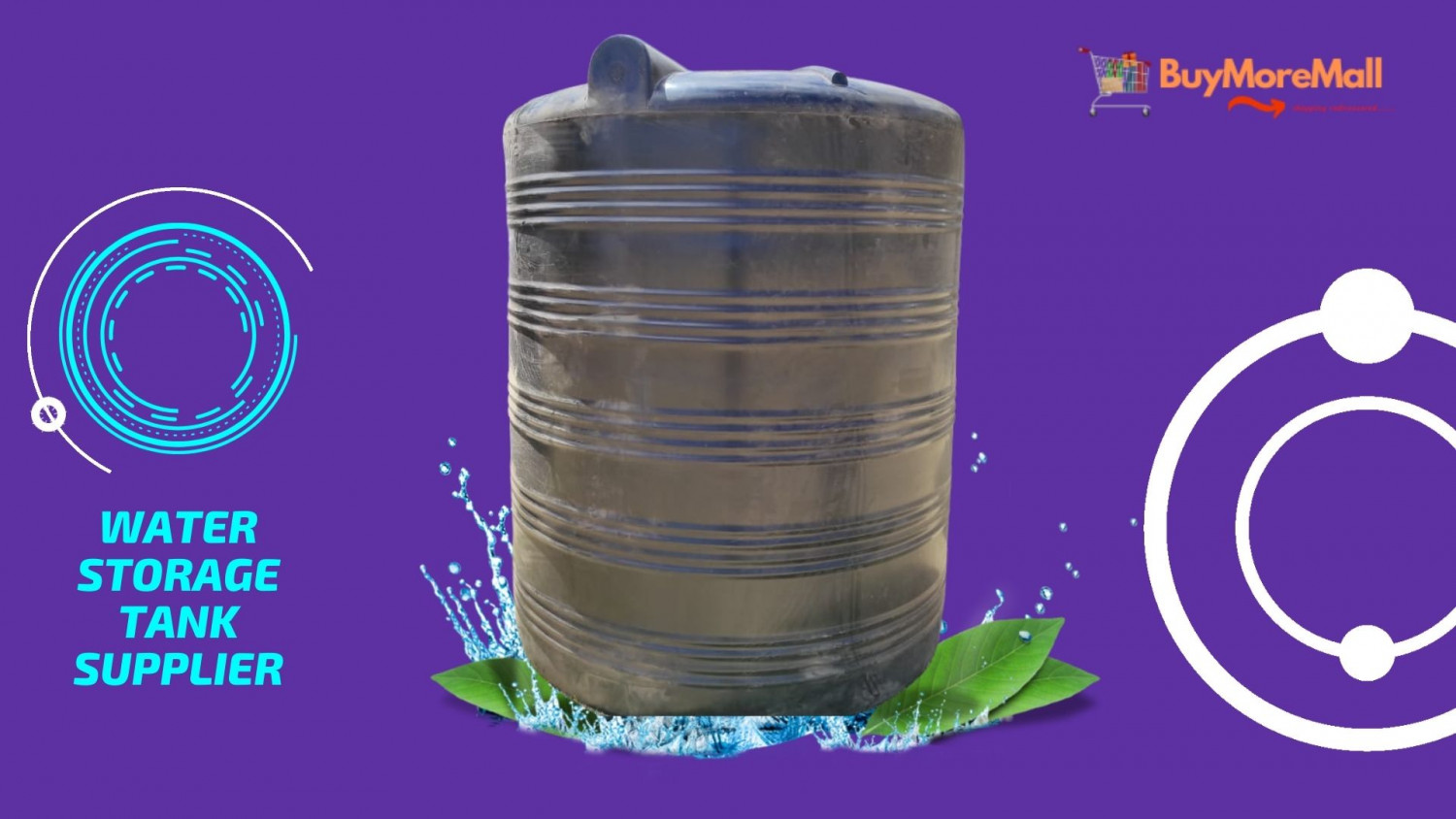
KSh 6,270

KSh 12,500
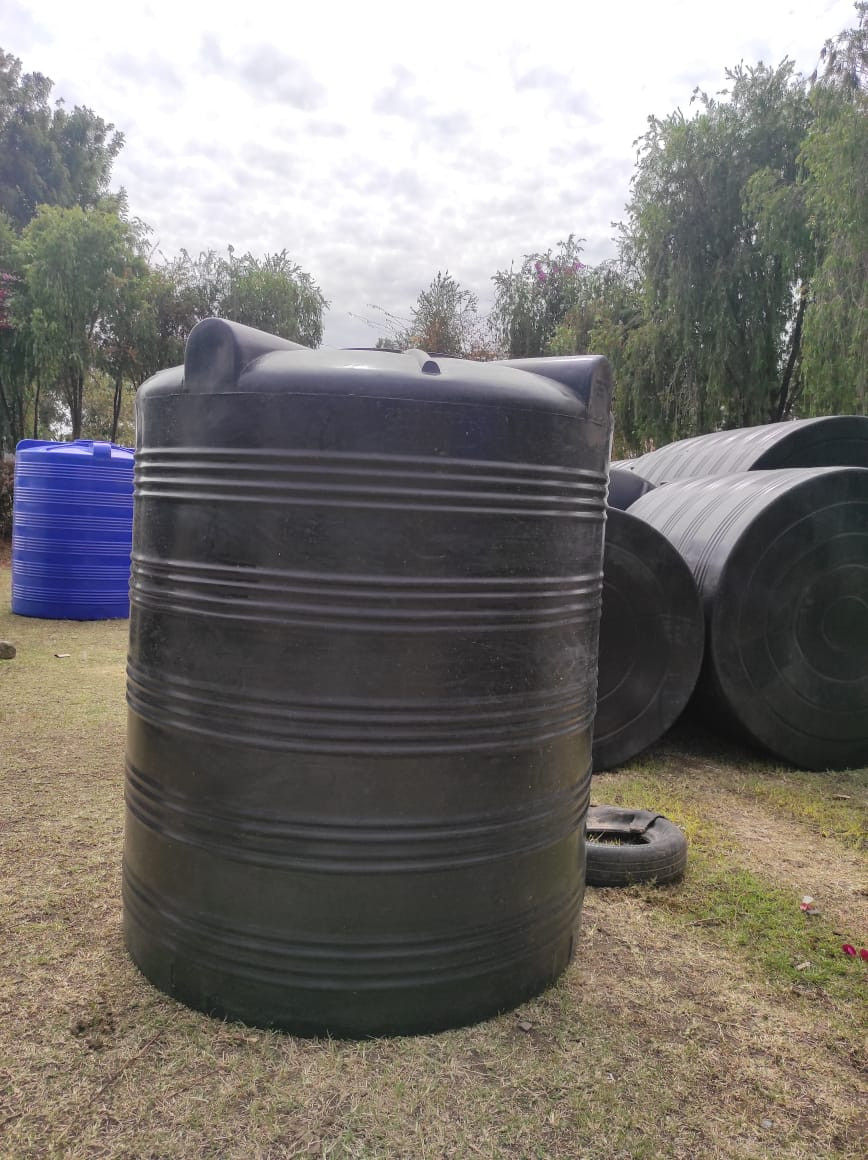
KSh 11,500
KSh 16,500
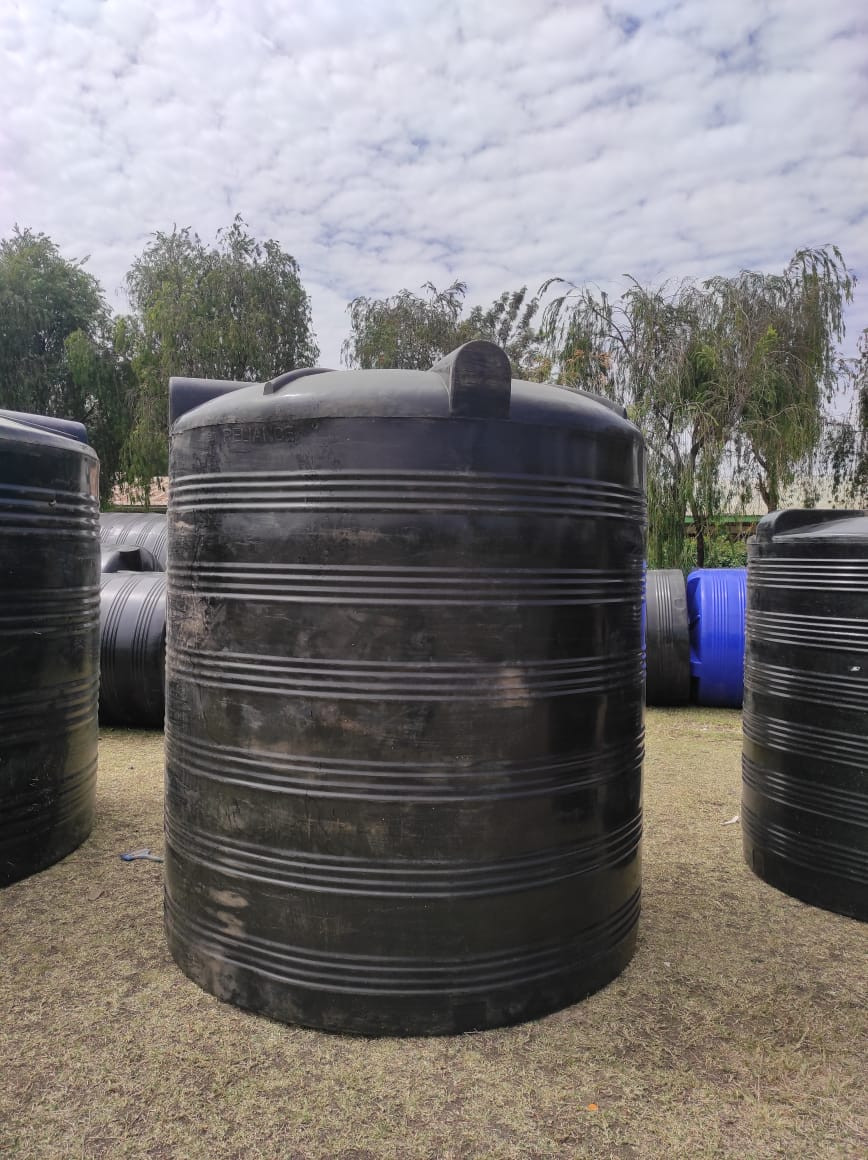
KSh 24,000
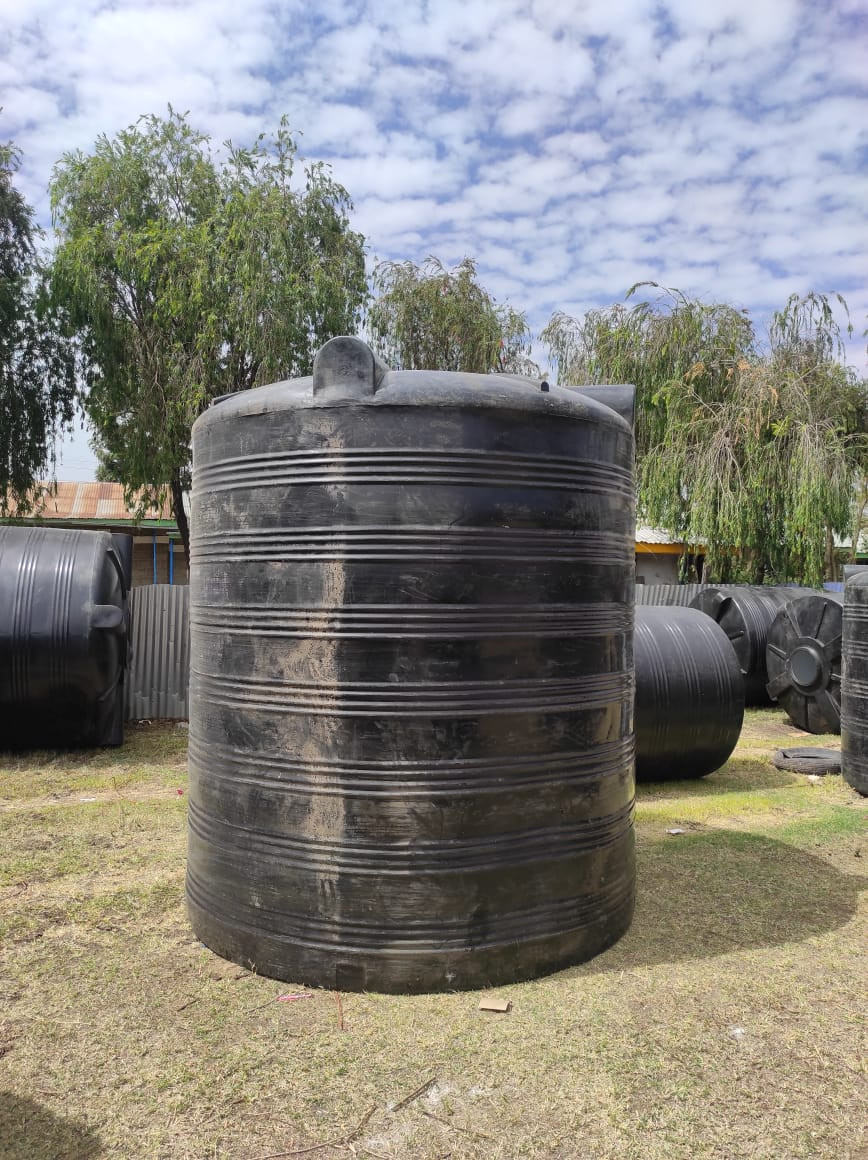
KSh 36,500
Fittings You Need
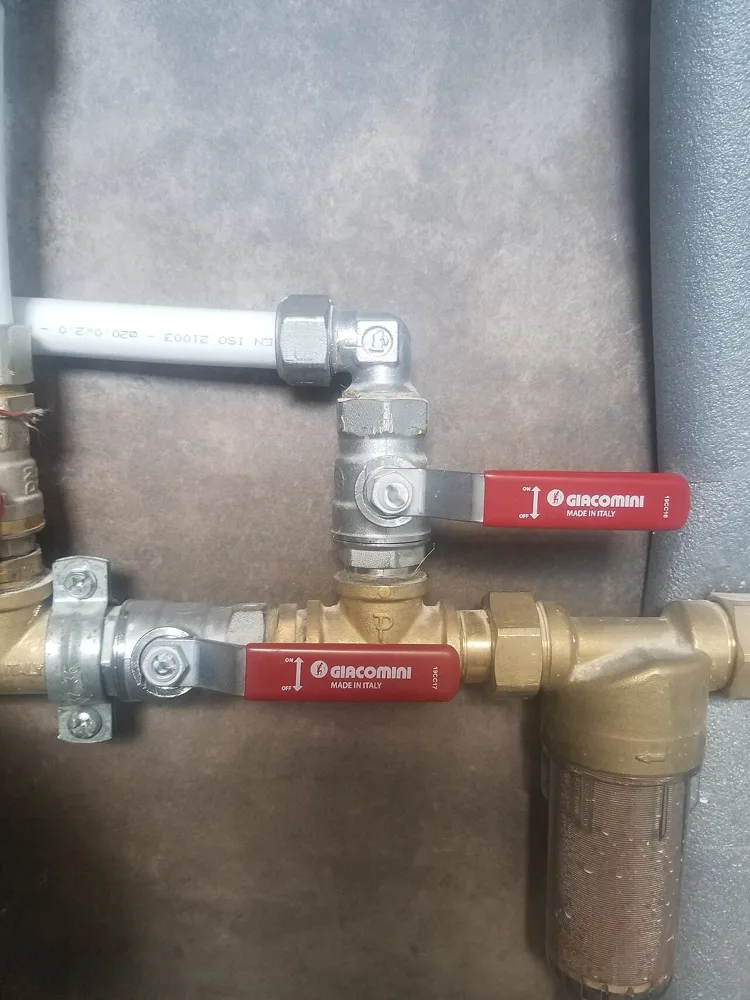
KSh 650
KSh 900
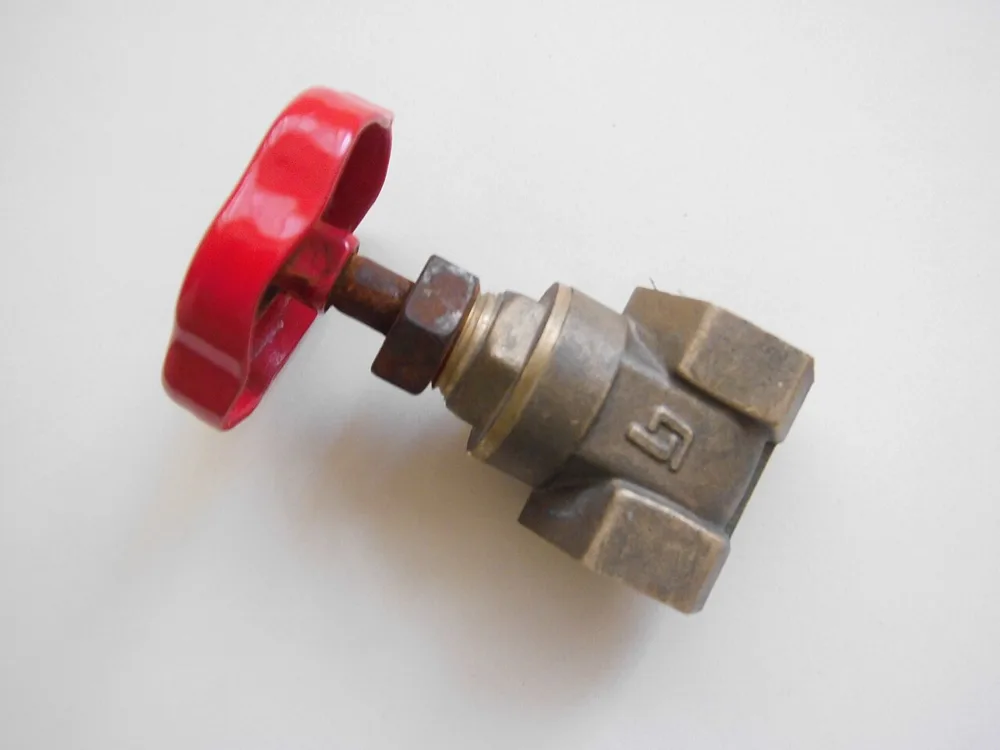
KSh 470
KSh 600
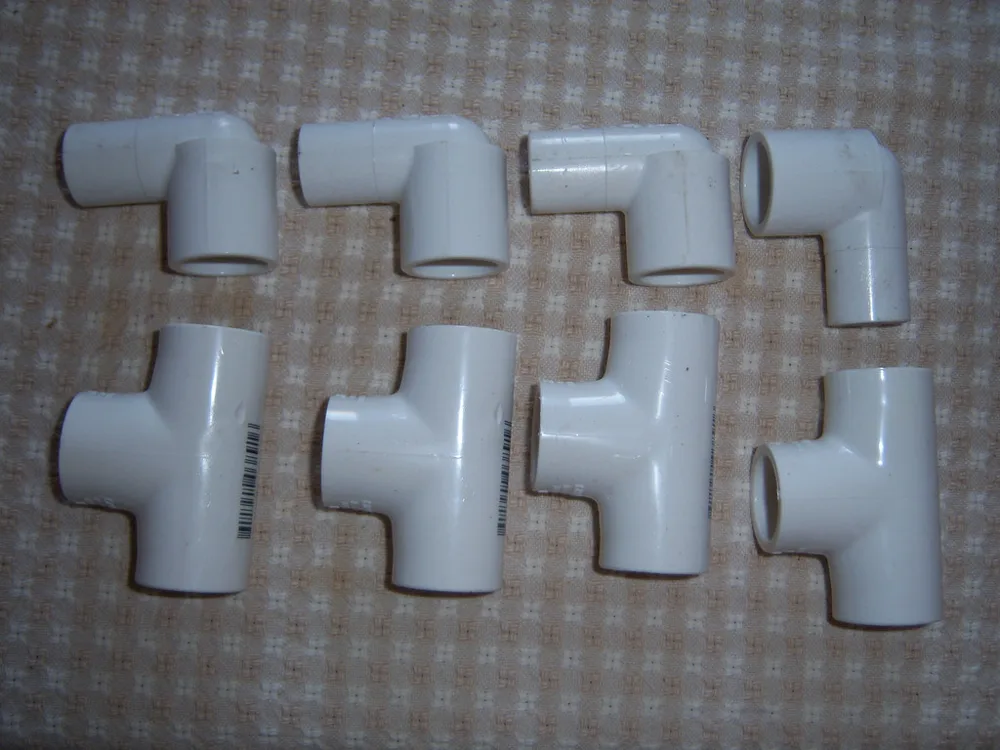
KSh 380
Some photos are reference images of the product type, used under open licences. Image credits are on each product page.
Plumbing materials: PPR pipes and fittings and valves.
How High Should the Stand Be?
Each metre of height adds about 0.1 bar. For upstairs showers you usually need a tall tower or a booster pump.
Weight Guide
| Tank | Water weight when full |
|---|---|
| 1,000 L | about 1 tonne |
| 2,000 L | about 2 tonnes |
| 5,000 L | about 5 tonnes |
| 10,000 L | about 10 tonnes |
Cost ranges are rough planning estimates for 2026 and vary by county, materials and labour; get a written quote.
Worked Example: 2,000 L Tank for a Family Home
A family of five uses about 500–600 litres a day. A 2,000 L tank gives about three days of storage during supply cuts. Full, it weighs about 2 tonnes plus the tank, so it needs a reinforced concrete slab or a properly welded steel stand on concrete footings. The plumber fits a ¾" inlet with a float valve, a ¾" outlet with a gate valve and a 1" overflow running to the drain.
Cleaning and Maintenance
Clean the tank every 6–12 months, keep the lid closed and check the float valve and overflow after each cleaning. See how to clean a water tank.
Common Mistakes to Avoid
- Uneven base that cracks the tank.
- No overflow, so water floods the foundation.
- No isolation valve for repairs.
- Leaving the lid loose (mosquitoes and dirt).
Not sure which one fits? Send us your details on WhatsApp or through the product page and we will help you choose.
Frequently Asked Questions
How do I install a water tank?
Level base, inlet with float valve, outlet with valve, overflow and drain, then test for leaks.
How strong should a tank stand be?
Strong enough for the full water weight: about 1 tonne per 1,000 litres plus the tank.
Where should I place a water tank?
On solid ground or a rated stand, close to the house supply, shaded if possible.
What is a float valve?
A valve that shuts the inlet when the tank is full.
Do I need an overflow pipe?
Yes, to stop flooding if the float valve fails.
How high should a water tank be for good pressure?
Higher gives more pressure; each metre adds about 0.1 bar.
Prices shown are regular prices on Buy More Mall. Many products are currently on offer, so open the product page to see today's price.
Related Guides
Recent Posts
Damp Walls and Rising Damp in Kenya (2026): Causes and Lasting Fixes
Circuit Breaker Sizes and Consumer Unit Guide for Kenyan Homes (2026)


How to Reduce Your Electricity Bill in Kenya (2026): 15 Practical Ways
How to Fix a Leaking Roof in Kenya (2026): Mabati, Tiles and Gutters
 buymoremall
Kenya's Online Marketplace
buymoremall
Kenya's Online Marketplace
Buy More Mall Kenya gives you a direct link to manufacturers, suppliers and service providers. Sellers are verified, there are no shortcuts, and customised orders come at affordable rates.
- Buy direct from manufacturers & suppliers
- Verified sellers and service providers
- Pay securely with M-Pesa
Shop
Sell & Earn
Help
Contact Us
- 0717 263 774
- Chat on WhatsApp
- buymoremallkenya@gmail.com
- Eastern bypass Ruiru Near Naivas super market @ kamakis & Nanyuki Neema Academy
- Contact page