


UV Water Sterilizer Price in Kenya 2026: Sizes in Litres per Hour & How to Choose
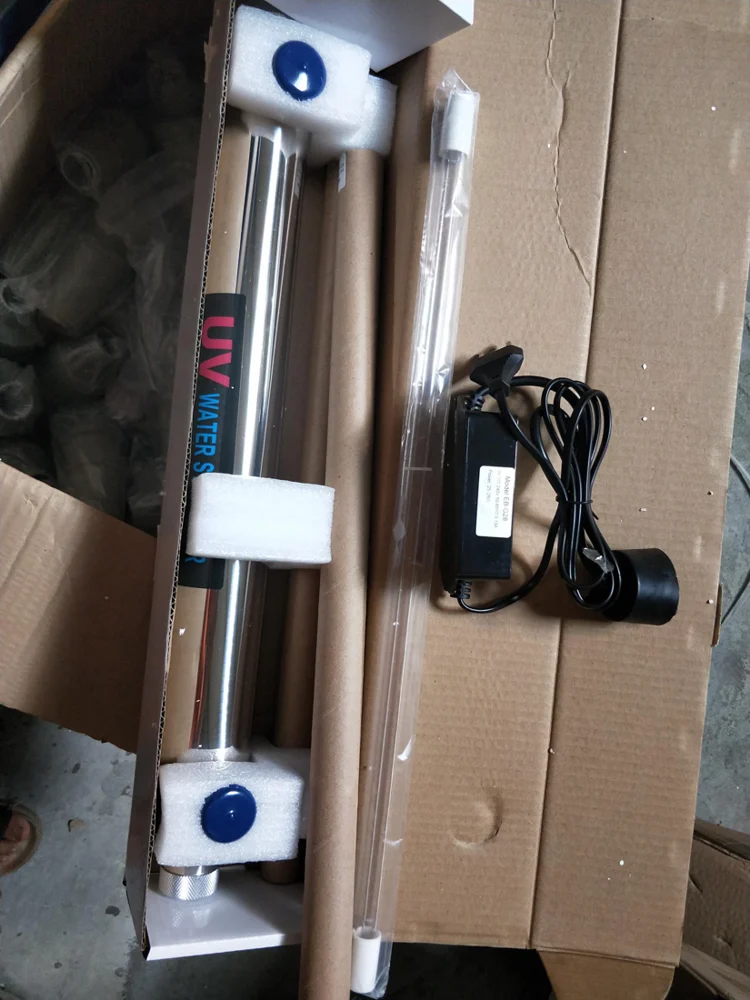
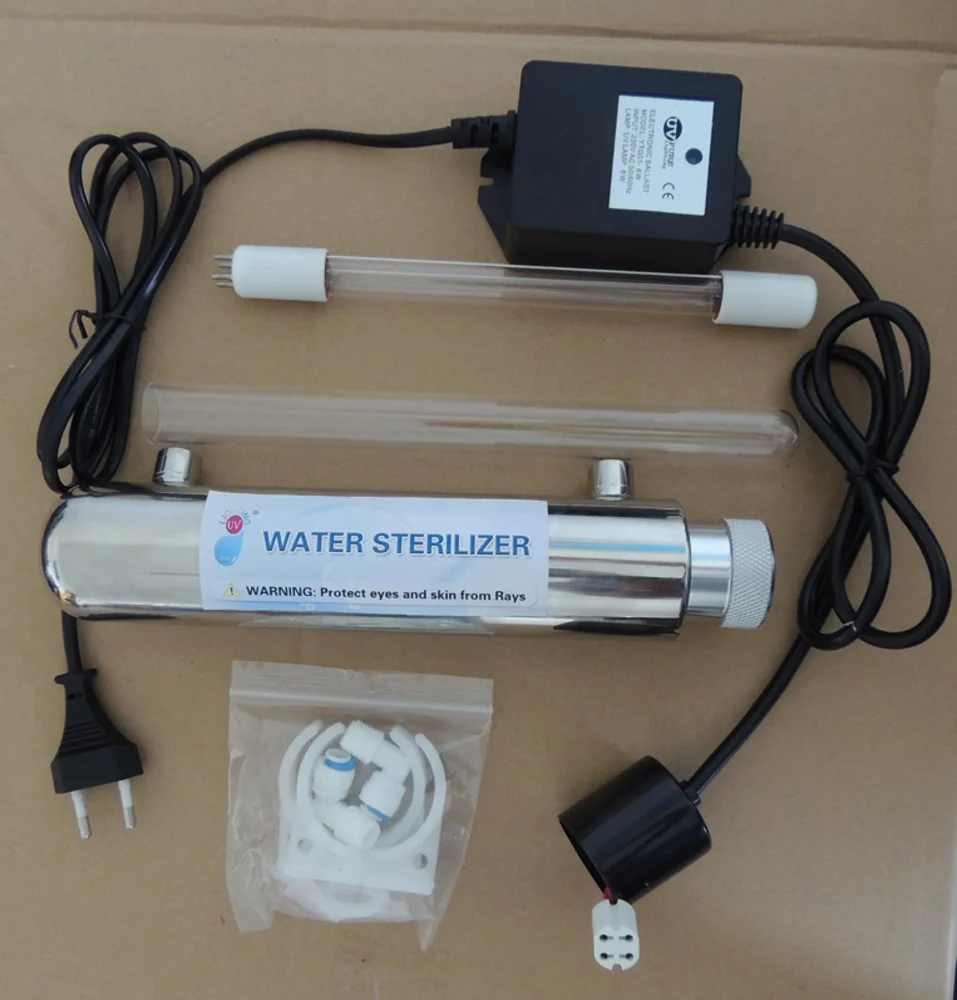
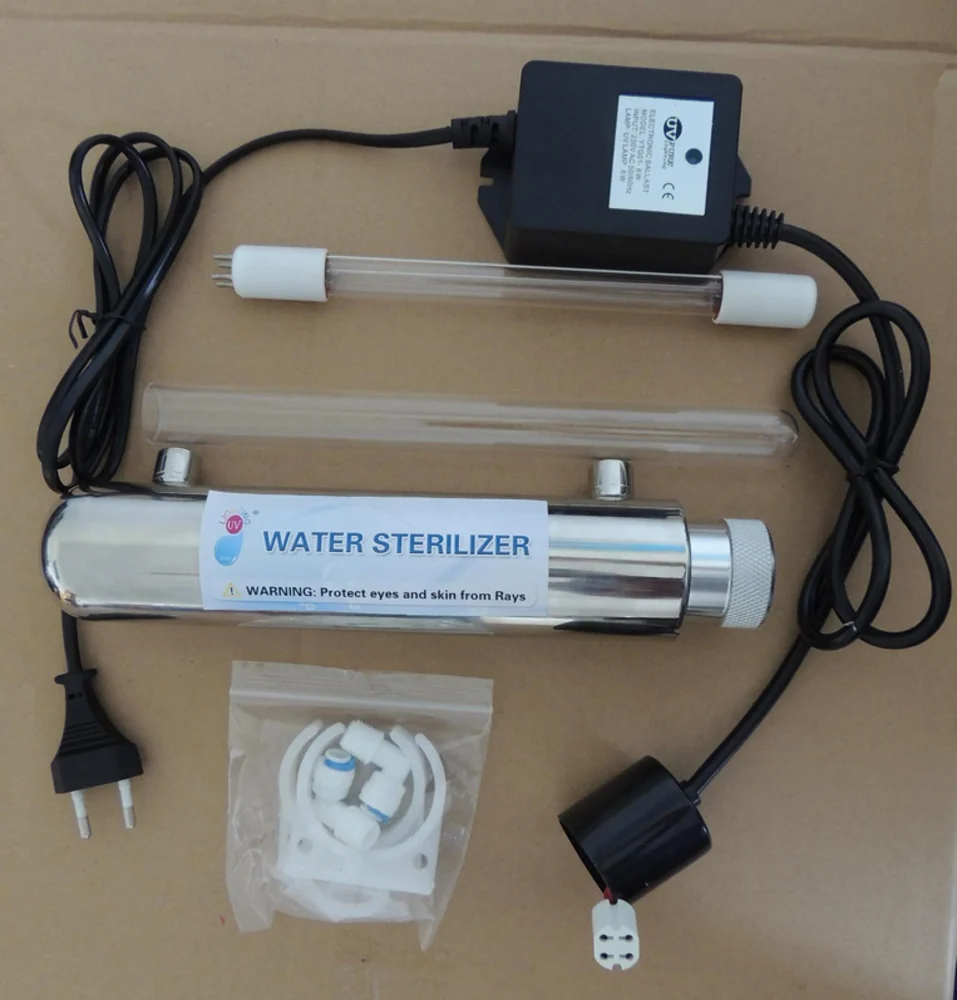
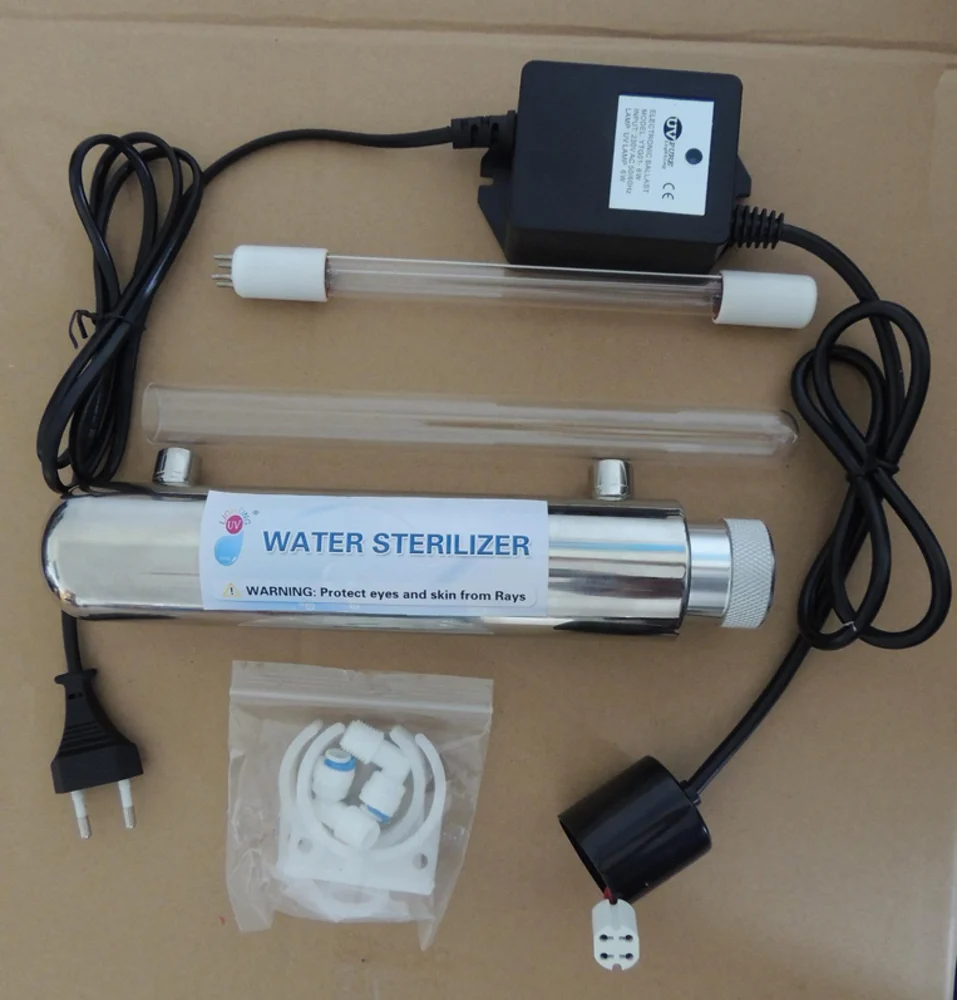
UV water sterilizers kill bacteria and viruses without chemicals, which makes them a standard last stage in RO plants, water refilling stations and borehole systems. On Buy More Mall they cost from KSh 5,000 for a 6 W unit to KSh 85,000 for a 220 W unit.
KSh 5,000
KSh 6,000
KSh 13,000
KSh 40,000
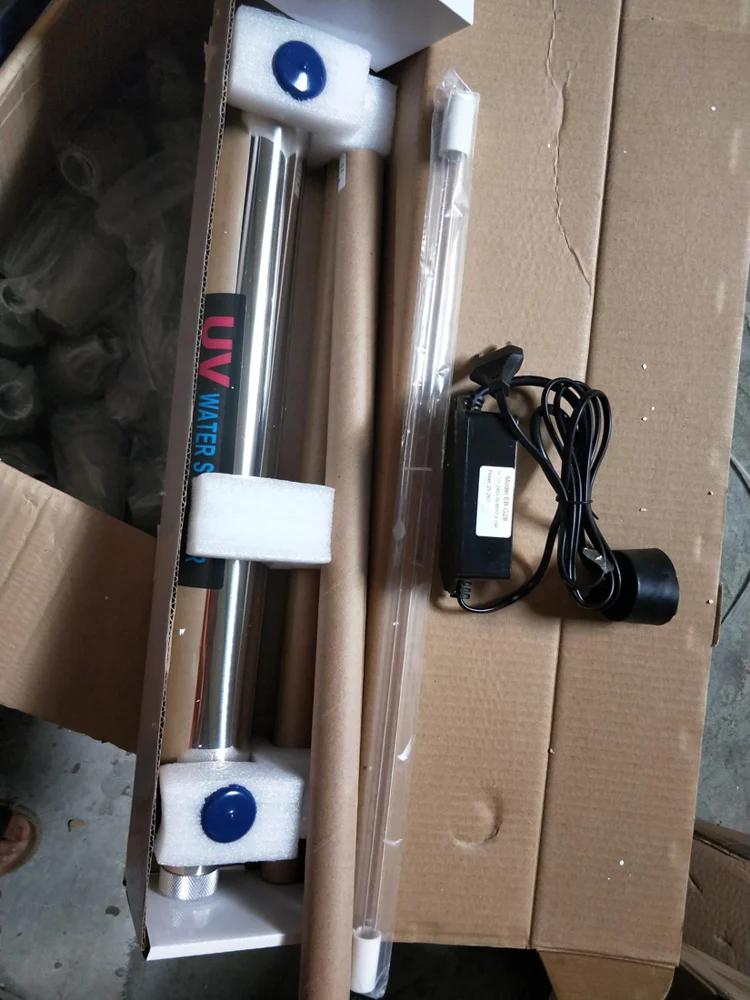
KSh 52,000
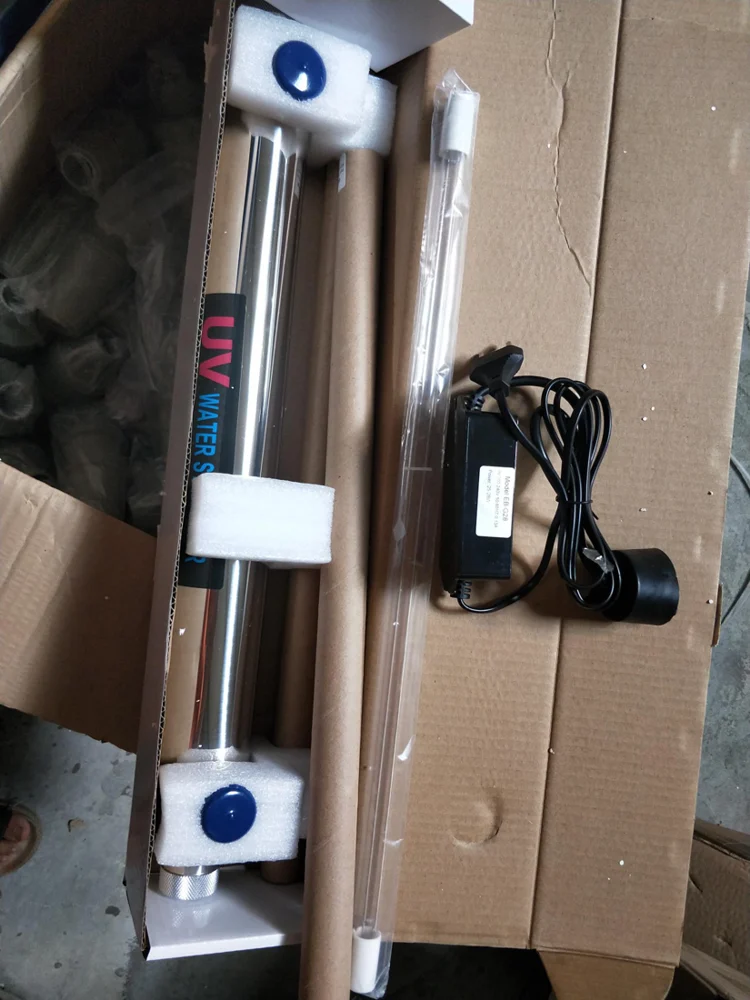
KSh 85,000
UV Sterilizer Price List (GPM to Litres per Hour)
UV units are rated in US gallons per minute (GPM). One GPM is about 227 litres per hour. The table converts each size.
| UV sterilizer | Rated flow | Approx. flow | Lamp | Price |
|---|---|---|---|---|
| H-Tech 0.4GPM 6W UV Sterilizer | 0.4 GPM | ≈ 90 L/h | 6 W | KSh 5,000 |
| H-Tech 0.65GPM 10W UV Sterilizer | 0.65 GPM | ≈ 150 L/h | 10 W | KSh 5,300 |
| H-Tech 1GPM 12W UV Sterilizer | 1 GPM | ≈ 230 L/h | 12 W | KSh 6,000 |
| H-Tech 2GPM 16W UV Sterilizer | 2 GPM | ≈ 450 L/h | 16 W | KSh 11,600 |
| H-Tech 6GPM 25W UV Sterilizer | 6 GPM | ≈ 1,360 L/h | 25 W | KSh 13,000 |
| H-Tech 12GPM 55W UV Sterilizer | 12 GPM | ≈ 2,730 L/h | 55 W | KSh 40,000 |
| H-Tech 20GPM 80W UV Sterilizer | 20 GPM | ≈ 4,540 L/h | 80 W | KSh 45,000 |
| H-Tech 26GPM 110W UV Sterilizer | 26 GPM | ≈ 5,900 L/h | 110 W | KSh 52,000 |
| H-Tech 43.86GPM 165W UV Sterilizer | 43.86 GPM | ≈ 9,960 L/h | 165 W | KSh 68,000 |
| H-Tech 65GPM 220W UV Sterilizer | 65 GPM | ≈ 14,760 L/h | 220 W | KSh 85,000 |
Also available: the UV Steriliser 12w, 1/4″ Inlet rated at 200 L/h (KSh 10,000), the H-TECH Air-Cooled Ozone Generator Range (2 to 10 g/h) and a H-TECH UV and Ozone Replacement Range for spare lamps and parts.
Which Size Do I Need?
- Home RO or under-sink purifier: 0.4 to 1 GPM.
- Whole house or small office: 2 to 6 GPM.
- Water refilling station (250 to 1,000 L/h): 2 to 6 GPM on the product water line.
- Industrial RO plant, hotel, hospital: 12 GPM and above, matched to the plant output.
Size by peak flow, not daily volume: the UV must handle the fastest flow through it. If water flows faster than the rating, it does not get enough UV dose. Leave some spare capacity.
UV Only Works on Clear Water
UV light has to reach every microbe. Cloudy water, iron or hardness scale on the quartz sleeve shields bacteria from the light. Always put a 5-micron (or finer) sediment filter before the UV, and use RO, UF or a softener first where the water is dirty, hard or high in iron. See RO vs UF vs Water Softener.
Maintenance
- Replace the lamp about once a year (roughly 9,000 hours of continuous running). The lamp still glows after that, but its germicidal output falls.
- Clean the quartz sleeve every few months, more often with hard water.
- Leave the lamp on all the time. Frequent switching shortens lamp life.
- After a lamp change or repair, flush and disinfect the pipes after the UV.
UV or Ozone?
UV disinfects water as it passes and leaves nothing behind. Ozone also disinfects and can remove taste and odour, and is often used to sanitise bottles and tanks in water businesses. Many refilling stations use both. See How to Start a Water Refilling Business.
Not sure which one fits? Send us your details (water source, flow, product or site) on WhatsApp or through the product page and we will help you choose.
How Does a UV Water Sterilizer Work?
Water flows through a stainless steel chamber past a UV-C lamp sealed inside a quartz glass sleeve. The UV-C light damages the DNA of bacteria, viruses and other micro-organisms, so they cannot multiply and cause illness. Nothing is added to the water, and the taste and smell do not change.
Does a UV Sterilizer Kill E. coli and Coliform Bacteria?
Yes. UV-C light is effective against E. coli, coliform bacteria and most other germs found in water, provided that:
- the water is clear (filtered first: mud, rust and colour shield germs from the light),
- the unit is sized for the flow (water passing too fast gets too small a dose),
- the lamp is working and not too old, and the quartz sleeve is clean.
After installing, have the water tested at a laboratory to confirm.
Does UV Reduce TDS or Remove Chlorine?
No. UV only disinfects. It does not remove dissolved salts (TDS), fluoride, chlorine, chemicals, smell or colour. For salty water use reverse osmosis; for chlorine and smell use a carbon filter. UV is usually the last stage, after the filters and RO.
How to Install a UV Water Sterilizer
- Fit it after the sediment and carbon filters (and after the RO, if you have one), as close as possible to where water is used or stored.
- Mount it on a wall or frame, leaving space at one end to slide the lamp out.
- Connect the inlet and outlet the right way round (marked on the chamber).
- Insert the quartz sleeve and lamp carefully, connect the lamp, and plug the ballast into a protected socket.
- Run water through to remove air, check for leaks, then switch on.
Leave the unit switched on all the time; switching it on and off often shortens lamp life.
Is a UV Water Purifier Safe?
Yes. The UV light stays inside the sealed steel chamber, and the treated water carries no chemicals or radiation. The only rule is never look at a lit UV lamp outside its chamber: UV-C light can hurt eyes and skin. Switch off the power before servicing.
How to check the lamp: many units have a viewing port or a lamp indicator on the ballast that shows the lamp is on. A lamp can still glow after its UV output has dropped, so replace it on schedule, not only when it goes dark.
Frequently Asked Questions
How much is a UV water sterilizer in Kenya?
From KSh 5,000 (0.4 GPM, 6 W) to KSh 85,000 (65 GPM, 220 W) on Buy More Mall.
How many litres per hour is 1 GPM?
About 227 litres per hour (1 US gallon is 3.785 litres).
Does UV remove salt, fluoride or chemicals?
No. UV only kills micro-organisms. For salt, fluoride and dissolved chemicals you need RO.
How often should I change a UV lamp?
About once a year for a lamp that runs continuously, even if it still lights up.
Prices shown are regular prices on Buy More Mall. Many products are currently on offer, so open the product page to see today's price.
How does a UV water sterilizer work?
Water flows past a UV-C lamp in a quartz sleeve. The light damages the DNA of germs so they cannot multiply. Nothing is added to the water.
Does a UV water filter kill E. coli?
Yes, when the water is clear, the unit is sized for the flow and the lamp is in good condition.
Does a UV water purifier reduce TDS?
No. UV only disinfects; reverse osmosis reduces TDS.
Is UV water safe to drink?
UV-treated water is safe from germs if the water was also clean of chemicals and salts. UV does not remove those.
Is a UV water filter necessary?
It is recommended wherever germs are a risk: borehole, well, river and tank water, and water vending stations.
Related Guides
- RO Water Purifier Price in Kenya
- RO System Maintenance Guide
- Water Vending Machine Price in Kenya
- Industrial RO Plant Price in Kenya
- FRP Tank Sizes & Prices
- Ozone Generator Price
Browse the range in UV & Ozone Sterilization.
Recent Posts
Girls' Party Dresses Price in Kenya (2026): Flower Girl, Birthday and Princess Dresses
Kids Clothes Size Chart by Age (Kenya 2026): Baby, Toddler and Children Sizes Explained
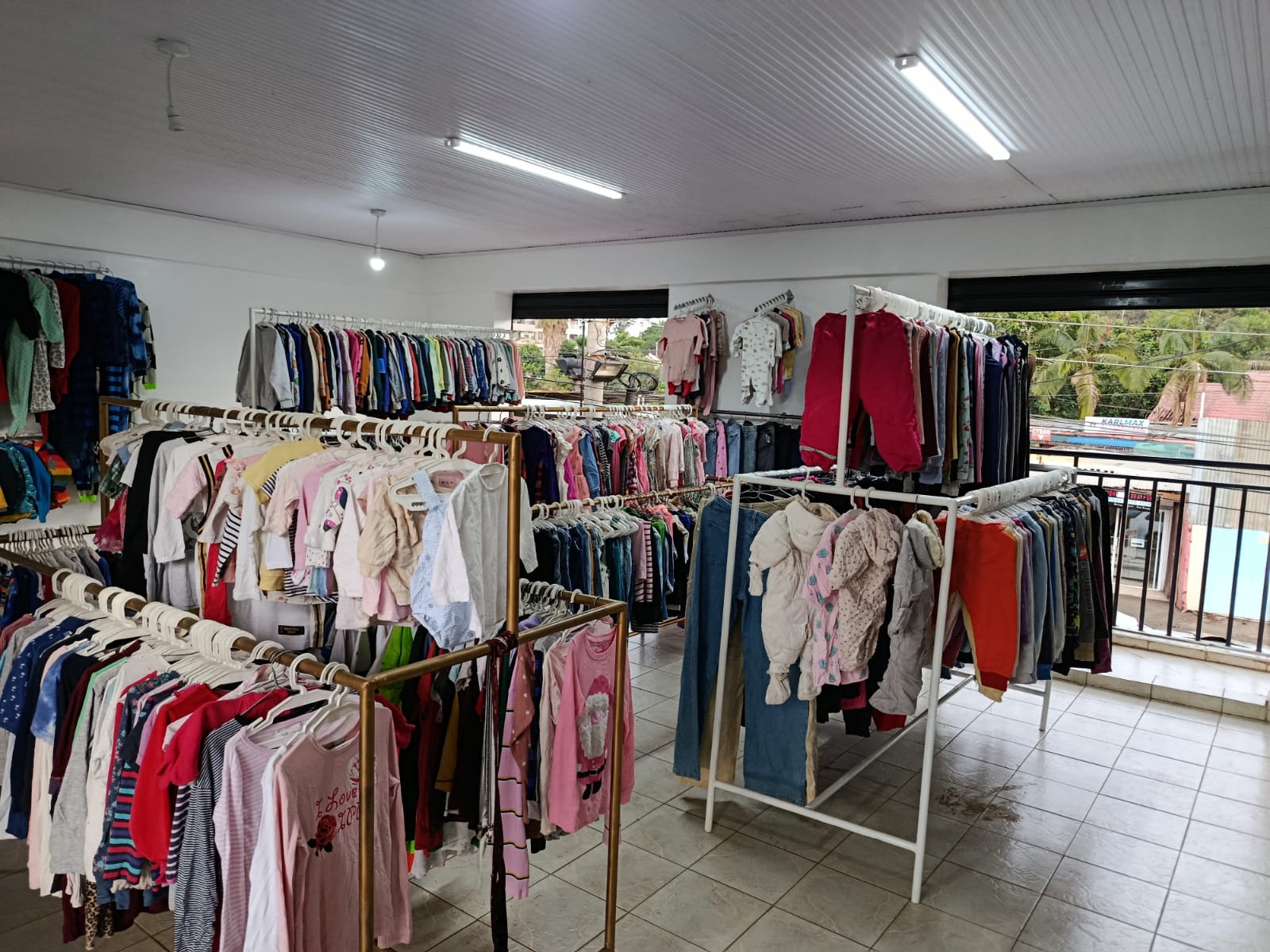
Kids Clothes Bales Price in Kenya (2026): Baby and Children Bales for Resellers

African Print Suits for Men in Kenya (2026): Kitenge, Ankara and Occasion Suit Prices

Corporate Wear for Men in Kenya (2026): Office Suits, Prices and Dress Code Guide

How to Sell on WhatsApp Business in Kenya (2026): Catalogue, Status and Getting Paid
House Help Salary in Kenya (2026): Minimum Wage, Nanny Pay and How to Hire
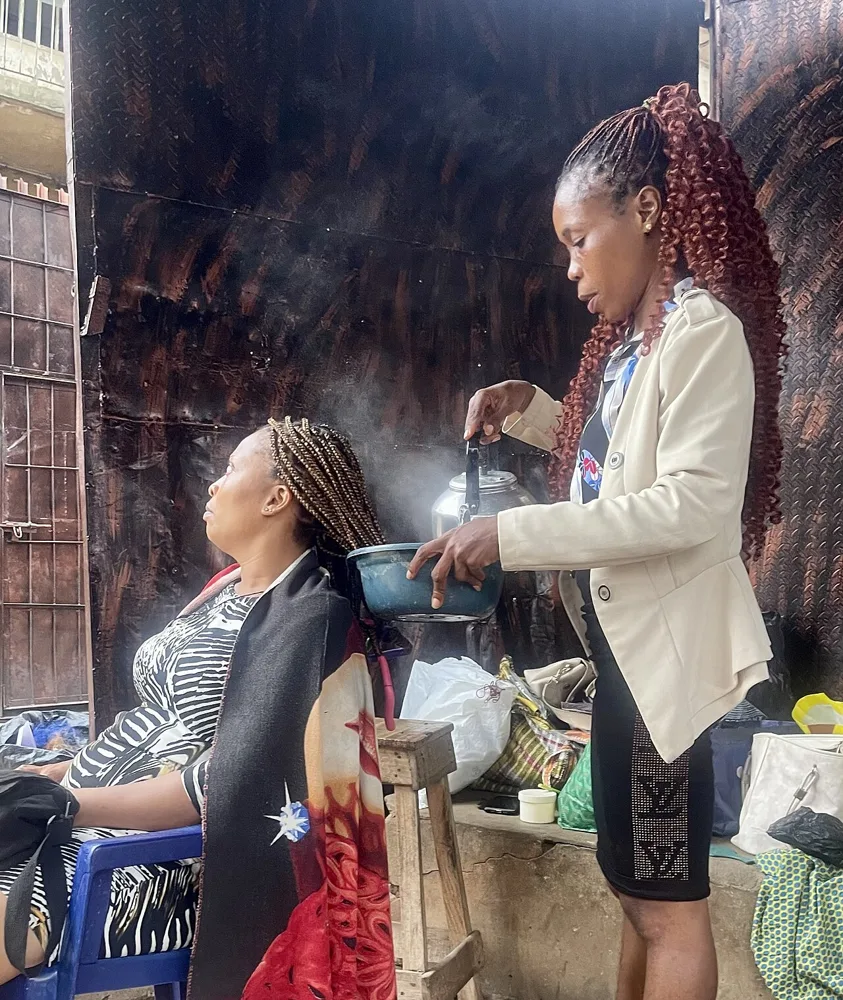
Knotless Braids Price in Kenya (2026): Cost, How Long They Last and Aftercare

How to Prime a Water Pump (Surface and Jet Pumps): Step-by-Step Guide 2026
 buymoremall
Kenya's Online Marketplace
Buy More Mall Kenya gives you a direct link to manufacturers, suppliers and service providers. Sellers are verified, there are no shortcuts, and customised orders come at affordable rates.
- Buy direct from manufacturers & suppliers
- Verified sellers and service providers
- Pay securely with M-Pesa
Shop
Sell & Earn
Help
Contact Us
- 0717 263 774
- Chat on WhatsApp
- buymoremallkenya@gmail.com
- Eastern bypass Ruiru Near Naivas super market @ kamakis & Nanyuki Neema Academy
- Contact page