

How to Handle Customer Returns and Refunds in a Small Business in Kenya (2026) + Policy Template
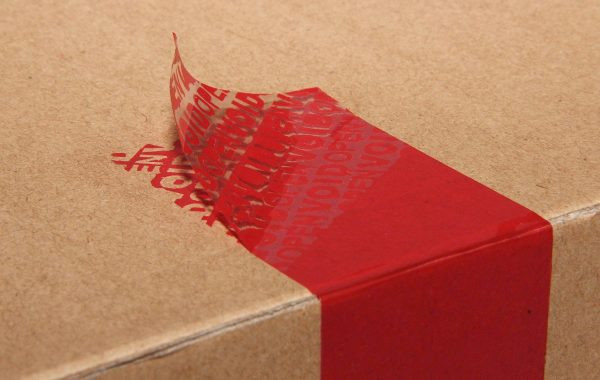
Every shop gets returns: a wrong size, a faulty item, a customer who changed their mind. Handled well, a return becomes a customer for life. Handled badly, it becomes a public complaint. The answer is a short, clear policy written before problems happen, and a calm routine for following it.
Quick answer: Write a short returns policy that says what can be returned (damaged, faulty, wrong or not-as-described items), time limits (for example report damage within 48 hours and other problems within 7 days), what cannot be returned (opened perishables, hygiene items, custom-made goods), who pays return delivery (you, if the mistake is yours), and how and when refunds are paid (to the same M-Pesa number, within a set number of days). Show it before the customer pays and follow it every time.
What Are Customers Entitled To?
In Kenya, the Consumer Protection Act, 2012 protects buyers against goods that are defective or not as described. A store policy cannot take those rights away. In practice that means: if what you sold is faulty, wrong or different from what you advertised, the customer is entitled to a fix, a replacement or their money back. "Change of mind" returns are different: you may accept them as a goodwill policy, but you set the conditions.
Types of Returns and How to Handle Each
| Situation | Fair response | Who pays return delivery |
|---|---|---|
| Arrived damaged or with parts missing | Replace or refund; ask for photos within 48 hours | Seller |
| Wrong item, size, colour or model | Exchange or refund | Seller |
| Defective or not as described | Repair, replace or refund | Seller |
| Fault appears later, within warranty | Warranty repair or replacement | As stated in the warranty |
| Changed mind | Optional: exchange or refund if unused and in original packaging | Customer |
Simple Returns Policy Template
[Shop name] Returns & Refunds
1. Damaged or missing parts: tell us within 48 hours of delivery with photos.
2. Wrong, faulty or not as described: tell us within 7 days. We will replace, repair or refund, and we pay return delivery.
3. Changed your mind: we accept unused items in original packaging within 7 days. You pay return delivery.
4. Not returnable unless faulty: opened food and personal care items, underwear, custom-made or cut-to-length items.
5. Refunds go to the M-Pesa number or card that paid, within 7 working days after we receive and check the item.
6. Contact: WhatsApp [number] with your order number and photos.
Adapt the time limits to your products. Buy More Mall's own Return & Refund Policy uses the same structure and is a good model.
Step-by-Step: Handling a Return Request
- Reply the same day. Thank the customer and ask for the order number, photos or a short video.
- Check your packing photo or video and the order record.
- Decide under your policy: replace, repair, refund or decline (with a clear reason).
- Agree how the item comes back: rider pick-up, parcel office or drop-off. Keep proof of dispatch.
- Inspect the item when it arrives, within a set time.
- Send the replacement or refund and confirm in writing.
- Record the return and its reason in your business records.
Refunds: How to Pay Them
- Refund to the same M-Pesa number or card that paid; it protects you from fraud.
- Refund the item price; add the original delivery fee when the mistake was yours.
- Say how long it takes and keep to it.
- Never refund before the item is back unless the item is cheap and it is clearly your error; then decide case by case.
- Partial refund for a missing accessory can save a full return.
How Returns Work on Buy More Mall
If you sell on Buy More Mall, buyers follow the mall's Return & Refund Policy: damage reported within 48 hours of delivery, wrong, defective or not-as-described items within 7 days, and change-of-mind returns only where the seller agrees. The mall reviews requests with the seller, the seller pays return delivery where the item was damaged, wrong or faulty, and refunds go to the paying M-Pesa number or card within 7 working days after inspection. Clear product photos and honest descriptions are the best way to avoid returns.
How to Reduce Returns
- Describe sizes, measurements, voltages and compatibility exactly (see how to write product descriptions that sell).
- Show real photos, including defects on second-hand items.
- Confirm size, colour and model on the phone before dispatch.
- Pack well: how to package products for delivery.
- Test electronics and machines before they leave the shop.
Worked Example: A Phone Accessories Shop
A customer says a charger stopped working after three days. The shop asks for a short video, sees the fault, and sends a rider with a replacement the same afternoon, collecting the faulty one. The supplier swaps it under warranty. The customer posts a thank-you review and buys a power bank the next week. The returns record also shows that one charger model fails often, so the shop stops stocking it.
Common Mistakes to Avoid
- No written policy, so every return becomes an argument.
- Making customers pay return delivery for your mistake.
- Slow or no replies to return requests.
- Refunding to a different number than the one that paid.
- Not tracking why items come back.
Frequently Asked Questions
Do I have to accept returns in Kenya?
You must deal fairly with goods that are defective or not as described; the Consumer Protection Act, 2012 protects buyers. Change-of-mind returns are up to your policy.
What should a return policy include?
What can and cannot be returned, time limits, condition of the item, who pays return delivery, and how and when refunds are paid.
How long should a customer have to return an item?
Many shops use 48 hours to report damage and 7 days for other problems. Choose limits that suit your products and state them clearly.
What is the difference between a refund policy and an exchange policy?
A refund returns the money; an exchange swaps the item for another size, colour or product. Many shops offer exchanges for change-of-mind returns and refunds for faults.
Who pays for return delivery?
Normally the seller when the item was damaged, wrong or faulty, and the buyer when they changed their mind.
Related Guides
Recent Posts
How to Price Delivery for an Online Shop in Kenya (2026): Fees, Zones and Free Delivery Maths
How to Package Products for Delivery in Kenya (2026): Boxes, Fragile Items, Liquids and Rain

How to Use the WhatsApp Business Catalogue (2026): Create, Share and Fix "Catalogue Not Showing"
How to Handle Customer Returns and Refunds in a Small Business in Kenya (2026) + Policy Template
Hardware Shop Stock List and How to Plan Stock for a Small Town in Kenya (2026)
CCTV Camera Buying Guide Kenya (2026): Best Type for Home, Shop or Farm and What Drives the Price
How to Choose an Office Chair in Kenya (2026): Best Chair for Back Pain and Long Hours
How to Buy a Laptop for Work or School in Kenya (2026): Specs, Budgets and New vs Refurbished
Power Tools for a Small Workshop in Kenya (2026): Starter List, Prices and How to Choose
 buymoremall
Kenya's Online Marketplace
Buy More Mall Kenya gives you a direct link to manufacturers, suppliers and service providers. Sellers are verified, there are no shortcuts, and customised orders come at affordable rates.
- Buy direct from manufacturers & suppliers
- Verified sellers and service providers
- Pay securely with M-Pesa
Shop
Sell & Earn
Help
Contact Us
- 0717 263 774
- Chat on WhatsApp
- buymoremallkenya@gmail.com
- Eastern bypass Ruiru Near Naivas super market @ kamakis & Nanyuki Neema Academy
- Contact page