


How to Choose an Office Chair in Kenya (2026): Best Chair for Back Pain and Long Hours
If you sit for six or more hours a day, your chair matters more than your desk. A poorly fitted chair causes back, neck and shoulder pain; a good one costs more upfront and lasts for years. The best chair is not the most expensive; it is the one that adjusts to your body and is built to take daily use.
Quick answer: Choose an ergonomic task chair with adjustable seat height, lumbar (lower-back) support, adjustable armrests and a backrest tilt with lock. Use mesh in warm rooms and for long hours; leather or PU for an executive look in cooler, air-conditioned offices. Check the gas lift, base and wheels, and the maximum weight. Then set it up: feet flat on the floor, knees about level with hips, lower back supported and elbows at desk height.
Types of Office Chairs Compared
| Type | What it is | Best for |
|---|---|---|
| Ergonomic task chair | Mesh or fabric, many adjustments, lumbar support | Long hours, home office, back pain |
| Executive chair | High back, padded leather or PU, often with headrest | Managers' offices, meetings; check it adjusts enough |
| Orthopaedic chair | Firm, shaped support for the spine, sometimes with seat cushion | People with existing back problems (ask your doctor what suits you) |
| Operator / secretarial chair | Simple, smaller, armless or fixed arms | Reception, short shifts, tight spaces |
| Visitor chair | No wheels, fixed height | Waiting areas, meeting rooms |
The Adjustments That Matter for Back Pain
- Seat height: your feet should rest flat on the floor with knees about level with hips. Use a footrest if you are short.
- Lumbar support: a curve that fills the small of your back; adjustable height is best.
- Seat depth: leave a gap of two to four fingers between the seat edge and the back of your knees.
- Backrest tilt and lock: lets you lean back slightly and lock the angle you like.
- Armrests: should let your shoulders relax with elbows near desk height; adjustable arms slide under the desk.
- Headrest: useful when you lean back for calls; not essential for typing.
Mesh vs Leather vs Fabric
| Material | Pros | Cons |
|---|---|---|
| Mesh | Cool and breathable; good for long hours and warm rooms | Cheap mesh sags; check tension and frame |
| Leather / PU | Executive look; easy to wipe | Hot in warm rooms; cheap PU peels within a year or two |
| Fabric | Comfortable, many colours | Stains; harder to clean |
Build Quality: What to Check Before Buying
- Maximum weight rating: choose a chair rated above the heaviest user.
- Gas lift: it should lift smoothly and hold height without sinking; ask about the warranty on it.
- Base: a metal (aluminium or steel) five-star base is stronger than thin plastic.
- Wheels (castors): hard floors and tiles suit soft rubber castors; carpets suit hard nylon castors.
- Seat foam: should spring back after you press it; thin foam flattens fast.
- Warranty and spare parts: gas lifts and castors wear out first, so check they can be replaced.
How to Set Up Your Chair
- Raise or lower the seat until your feet are flat and knees are about level with your hips.
- Slide the seat so you have a gap behind your knees.
- Set the lumbar support into the curve of your lower back.
- Adjust armrests so your shoulders are relaxed.
- Put the top of your screen at or slightly below eye level; a laptop needs a stand and a separate keyboard (see how to connect two monitors to a laptop).
- Stand up and move every 30–60 minutes; no chair replaces moving.
Worked Example: A Home Office Upgrade
An accountant working from home used a dining chair and had lower-back pain by mid-afternoon. She bought a mesh ergonomic chair with adjustable lumbar support and arms, raised her laptop on a stand with a separate keyboard, and set a reminder to stand every 45 minutes. The pain eased within weeks; the right setup mattered as much as the chair.
Common Mistakes to Avoid
- Choosing by looks or a big padded back alone.
- Chairs without seat-height and lumbar adjustment for long hours.
- Ignoring the weight rating and gas lift quality.
- Hard castors on tiled floors.
- Not adjusting the chair after buying it.
Sell office chairs? Open your shop on Buy More Mall and list them; buyers searching this guide can then find your products and prices.
Frequently Asked Questions
What is the best office chair for back pain?
An ergonomic chair with adjustable lumbar support, seat height, seat depth and armrests, set up to fit your body. If you have a back condition, ask your doctor or physiotherapist what support you need.
Is a mesh chair better than a leather chair?
For long hours and warm rooms, mesh is usually more comfortable because it breathes. Leather or PU suits an executive look in cool offices.
What makes an office chair price higher?
More adjustments, stronger frames and bases, better gas lifts, quality mesh or leather, higher weight ratings and longer warranties.
How long should an office chair last?
A well-built chair used daily should last several years; gas lifts and castors can be replaced.
What is the best office chair for working from home?
A mid-range ergonomic task chair that fits under your desk and adjusts to your height.
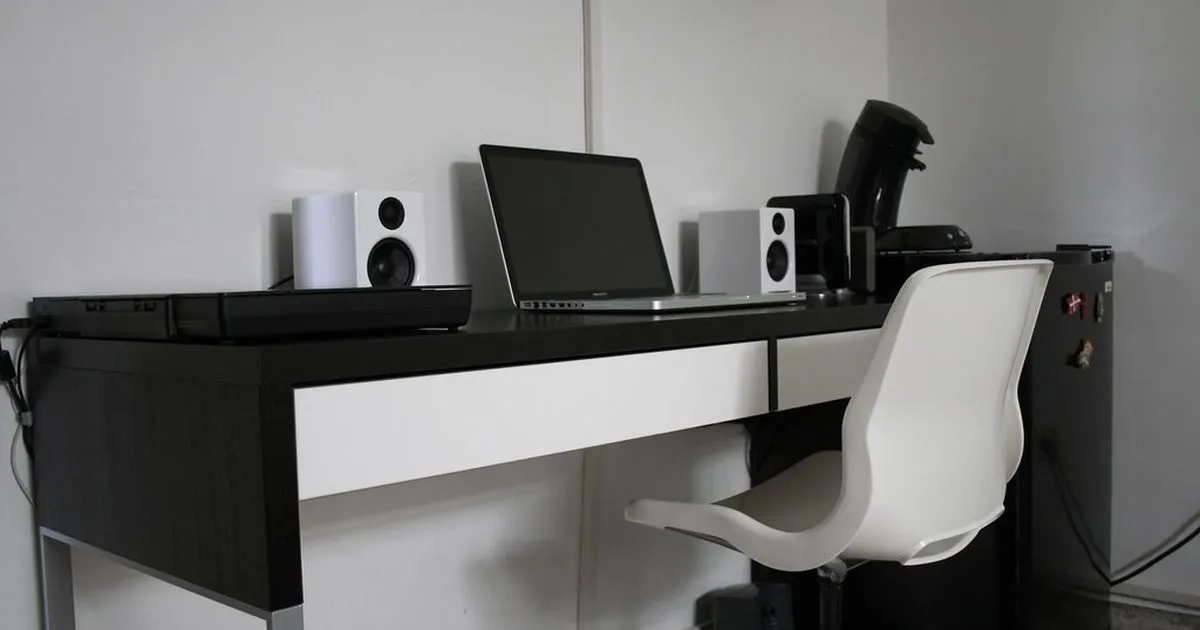
Cover photo: Workspace by urbatronic, BY 2.0, via Openverse. Cropped.
Related Guides
Recent Posts

How to Price Delivery for an Online Shop in Kenya (2026): Fees, Zones and Free Delivery Maths

How to Package Products for Delivery in Kenya (2026): Boxes, Fragile Items, Liquids and Rain

How to Use the WhatsApp Business Catalogue (2026): Create, Share and Fix "Catalogue Not Showing"

How to Handle Customer Returns and Refunds in a Small Business in Kenya (2026) + Policy Template

Hardware Shop Stock List and How to Plan Stock for a Small Town in Kenya (2026)
CCTV Camera Buying Guide Kenya (2026): Best Type for Home, Shop or Farm and What Drives the Price
How to Choose an Office Chair in Kenya (2026): Best Chair for Back Pain and Long Hours
How to Buy a Laptop for Work or School in Kenya (2026): Specs, Budgets and New vs Refurbished
Power Tools for a Small Workshop in Kenya (2026): Starter List, Prices and How to Choose
 buymoremall
Kenya's Online Marketplace
Buy More Mall Kenya gives you a direct link to manufacturers, suppliers and service providers. Sellers are verified, there are no shortcuts, and customised orders come at affordable rates.
- Buy direct from manufacturers & suppliers
- Verified sellers and service providers
- Pay securely with M-Pesa
Shop
Sell & Earn
Help
Contact Us
- 0717 263 774
- Chat on WhatsApp
- buymoremallkenya@gmail.com
- Eastern bypass Ruiru Near Naivas super market @ kamakis & Nanyuki Neema Academy
- Contact page