


How to Lay a Concrete Slab in Kenya (2026): Thickness, Mix, Steps and Cost
A ground-floor concrete slab is the base of most Kenyan houses, stores, chicken houses and car parks. Done well, it stays flat, dry and crack-free for decades. Done badly, it cracks, lets damp rise and ruins floor finishes.
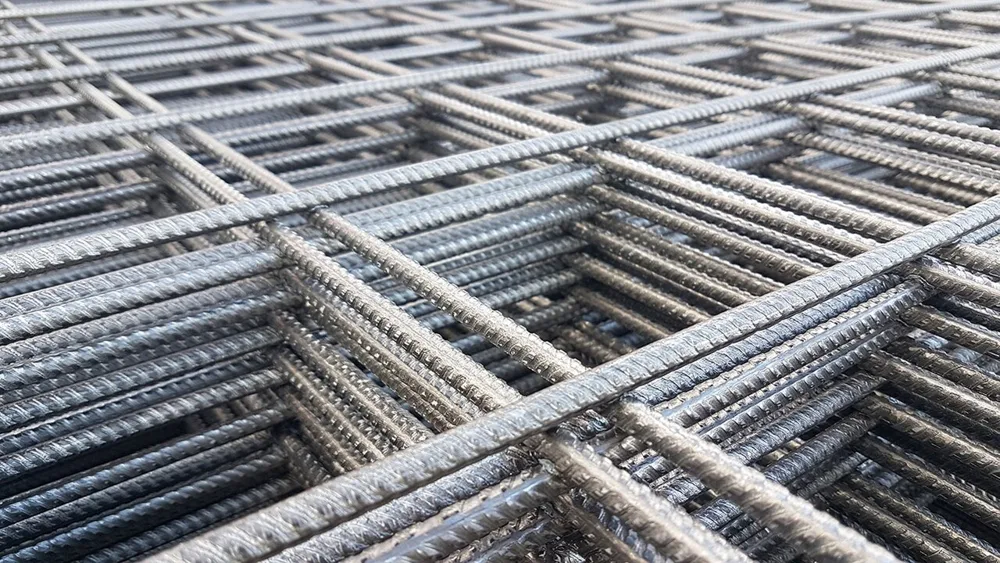
Quick answer: Clear and level the ground, lay and compact hardcore (about 150–230 mm), blind it with sand, lay a DPM (polythene damp-proof membrane), place BRC mesh on spacers, then pour concrete about 100–150 mm thick using a 1:2:4 mix (cement:sand:ballast) for normal floors. Compact, level, finish and keep it wet for at least 7 days. BRC A98 costs KSh 24,000 and cement from KSh 770 per bag on Buy More Mall.
Materials for a Ground Slab
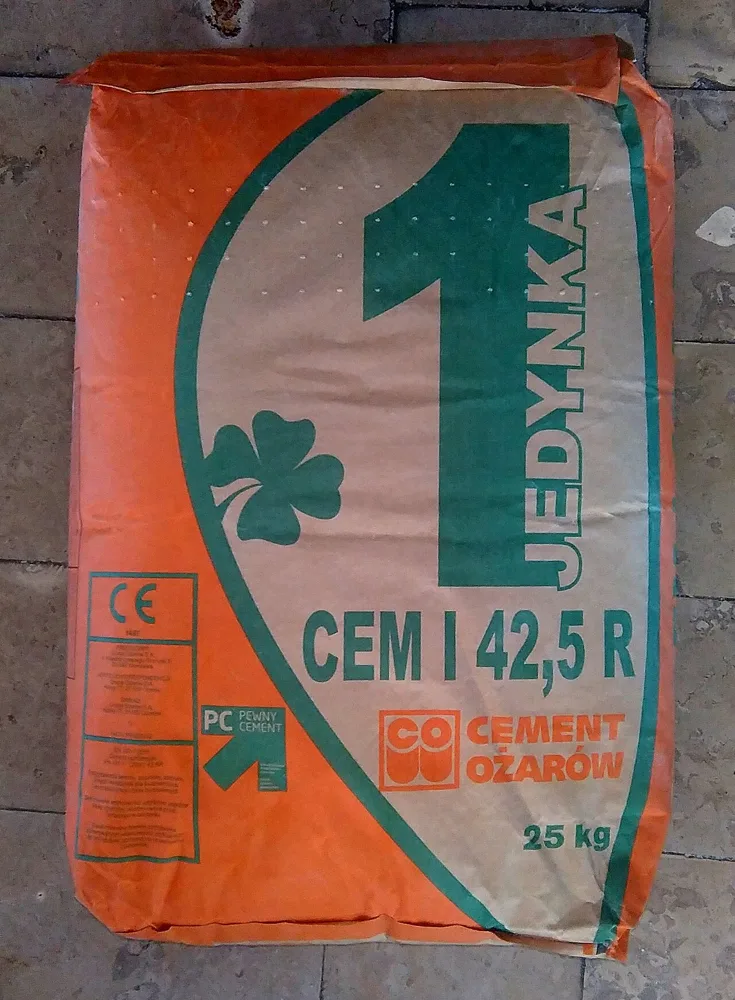
KSh 770
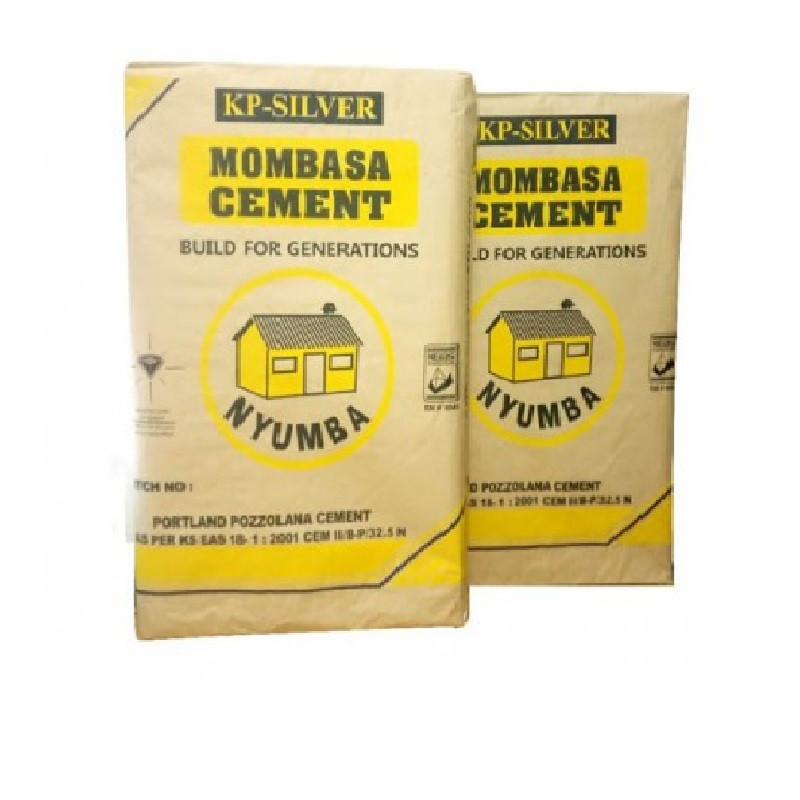
KSh 780
KSh 24,000
KSh 200
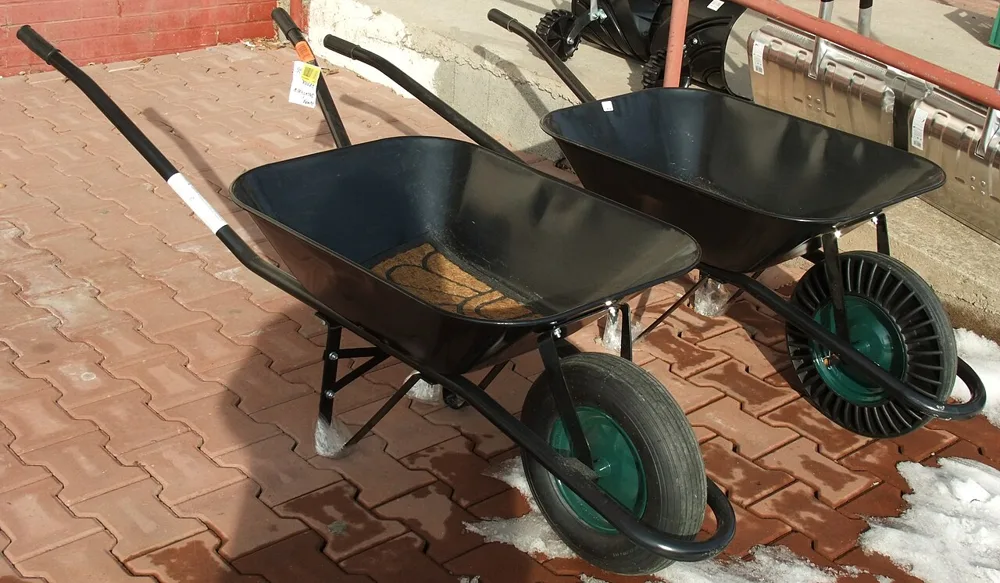
KSh 3,600
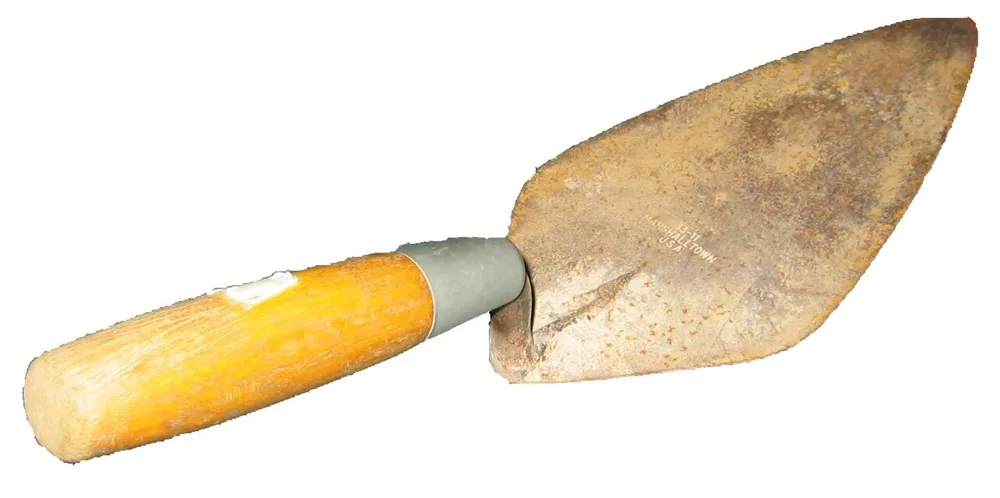
KSh 160
Some photos are reference images of the product type, used under open licences. Image credits are on each product page.
| Material | Use | Price |
|---|---|---|
| Simba Cement | Cement | KSh 770 |
| K.P Silver Mombasa Cement | Cement | KSh 780 |
| Brc A98 | BRC mesh to control cracking | KSh 24,000 |
| Polythene Roll 25Kg | DPM polythene roll | KSh 2,900 |
| Pvc Paper Or Dpm | DPM sheet / PVC paper | KSh 100 |
| Binding Wire-1Kg | Binding wire for mesh laps | KSh 200 |
| Wheelbarrow | Moving concrete | KSh 3,600 |
| Trowel-Big | Finishing | KSh 160 |
Sand, ballast and hardcore come from local quarries and suppliers.
Thickness and Mix by Use
| Use | Slab thickness | Mix (cement:sand:ballast) |
|---|---|---|
| House floor | 100–150 mm | 1:2:4 |
| Store, garage, light vehicles | 150 mm | 1:2:4 or 1:1.5:3 |
| Chicken house, path | 75–100 mm | 1:2:4 |
| Heavy trucks, workshops | Engineer-designed | Engineer-specified |
For quantities per bag see concrete mix ratios and cement bags.
Step by Step
- Set out and excavate to the slab level minus the hardcore and concrete depth.
- Hardcore: lay in layers and compact well; poor compaction causes cracks later.
- Blinding: a thin layer of sand or quarry dust to protect the DPM.
- DPM: lay polythene with laps of about 150–300 mm, turned up at the walls.
- Anti-termite treatment where needed, by a licensed applicator.
- Mesh: place BRC on spacers so it sits in the slab, not on the DPM; tie laps with binding wire.
- Pour: mix to a workable (not watery) consistency and pour in one continuous operation if possible.
- Compact and level with a screed board and vibrator or tamping.
- Finish with a float once bleed water has gone.
- Cure: keep wet (sacks, polythene or ponding) for at least 7 days.
Can I Lay My Own Concrete Slab?
Small slabs (paths, chicken houses, tank bases) are realistic DIY jobs with helpers. House slabs need a fundi team, a vibrator and, for houses, approved drawings and supervision. Find contractors on the Buy More Mall Services Marketplace.
Rain: avoid pouring in heavy rain; cover fresh concrete with polythene if rain comes, as water on the surface weakens it.
How Much Does a Concrete Slab Cost?
Cost per square metre depends on thickness, mesh, hardcore depth and labour. Work out volumes (area × thickness) and use the mix table to estimate bags of cement, then add sand, ballast, hardcore, DPM, mesh and labour.
Cost ranges are rough planning estimates for 2026 and vary by county, materials and labour; get a written quote.
Worked Example: A 4 × 6 m Store Floor
A shop owner lays a 24 m² store floor 100 mm thick: 2.4 m³ of 1:2:4 concrete, BRC A98 mesh, a 1000-gauge DPM over compacted hardcore, and seven days of wet curing under sacks. The floor stays dry even in the long rains.
Common Mistakes to Avoid
- Skipping hardcore compaction.
- Mesh lying on the DPM (no cover = no use).
- Adding extra water to make pouring easy.
- Letting the slab dry out in the first week.
Not sure which one fits? Send us your details on WhatsApp or through the product page and we will help you choose.
Frequently Asked Questions
How thick should a concrete floor slab be?
About 100–150 mm for house floors.
What mix is used for a floor slab?
Commonly 1:2:4 cement:sand:ballast for normal floors.
Do I need BRC mesh in a floor slab?
It is recommended to control cracking.
How long should concrete cure?
Keep it wet for at least 7 days.
Can concrete be poured in the rain?
Avoid heavy rain; protect fresh concrete with polythene.
Prices shown are regular prices on Buy More Mall. Many products are currently on offer, so open the product page to see today's price.
Related Guides
Recent Posts
Pipe Size Chart Kenya (2026): Inches to mm for PPR, GI, HDPE and PVC Pipes
How to Install a Wash Hand Basin in Kenya (2026): Step by Step, Height and Parts
How to Apply Silicone Sealant (2026): Bathrooms, Sinks and Windows, Plus Prices in Kenya
How to Grout Tiles (2026): Step by Step, Joint Sizes, Colours and Tile Grout Price in Kenya
Basic DIY Tool Kit List for Every Kenyan Home (2026): What to Buy and Prices

Maxi and Kaftan Dresses Price in Kenya (2026): Styles, Sizes and How to Wear Them

What to Wear to a Kenyan Wedding (2026): Wedding Guest Outfits for Women and Men

How to Measure for a Suit (2026): Measurements a Tailor Needs and Suit Sizes Explained
How to Build a Chicken House in Kenya (2026): Design, Size, Materials and Cost
 buymoremall
Kenya's Online Marketplace
buymoremall
Kenya's Online Marketplace
Buy More Mall Kenya gives you a direct link to manufacturers, suppliers and service providers. Sellers are verified, there are no shortcuts, and customised orders come at affordable rates.
- Buy direct from manufacturers & suppliers
- Verified sellers and service providers
- Pay securely with M-Pesa
Shop
Sell & Earn
Help
Contact Us
- 0717 263 774
- Chat on WhatsApp
- buymoremallkenya@gmail.com
- Eastern bypass Ruiru Near Naivas super market @ kamakis & Nanyuki Neema Academy
- Contact page