


Concrete Mix Ratio in Kenya (2026): 1:2:4, 1:1.5:3 and Bags of Cement per m³
Getting the mix right is the cheapest way to build strong. Too little cement and the concrete is weak; too much water and it cracks. This guide gives the standard site mix ratios used in Kenya and how much cement, sand and ballast each needs.
Quick answer: The common site mix for slabs, beams and footings is 1:2:4 (cement : sand : ballast), which needs about 6–7 bags of 50 kg cement per cubic metre. Columns and heavily loaded slabs use 1:1.5:3 (about 8 bags per m³), and blinding uses 1:3:6 (about 4–5 bags per m³). Cement costs from KSh 770 a bag on Buy More Mall. Structural work should follow the engineer’s drawings.
Concrete Mix Ratios by Job
| Mix (cement:sand:ballast) | Typical use | Cement per m³ (approx.) | Sand per m³ | Ballast per m³ |
|---|---|---|---|---|
| 1:1.5:3 | Columns, beams, suspended slabs | About 8 bags | About 0.42 m³ | About 0.84 m³ |
| 1:2:4 | Ground slabs, footings, lintels | About 6–7 bags | About 0.44 m³ | About 0.88 m³ |
| 1:3:6 | Blinding, mass fill, paths | About 4–5 bags | About 0.46 m³ | About 0.92 m³ |
Quantities use the usual site rule that wet concrete needs about 1.54 m³ of dry materials per m³ and 50 kg bags. Allow 5–10% extra for waste.
Mortar Mix Ratios
| Mortar (cement:sand) | Use |
|---|---|
| 1:3 | Plaster on external walls, screeds, wet areas |
| 1:4 | Stone and block walling |
| 1:6 | Internal plaster, light walling |
How to Mix Concrete on Site
- Measure with the same container (a bucket or a gauge box) for every batch; never by shovel count alone.
- Mix the sand and cement dry until the colour is even.
- Add the ballast and mix again.
- Add clean water gradually until the mix is workable but not runny. Extra water weakens concrete.
- Place within about 30–60 minutes and compact it to remove air.
- Cure: keep it wet (sprinkle or cover with polythene) for at least 7 days.
Materials and Tools
KSh 770
KSh 780
KSh 24,000
KSh 3,600

KSh 350
KSh 160
Some photos are reference images of the product type, used under open licences. Image credits are on each product page.
| Item | Use | Price |
|---|---|---|
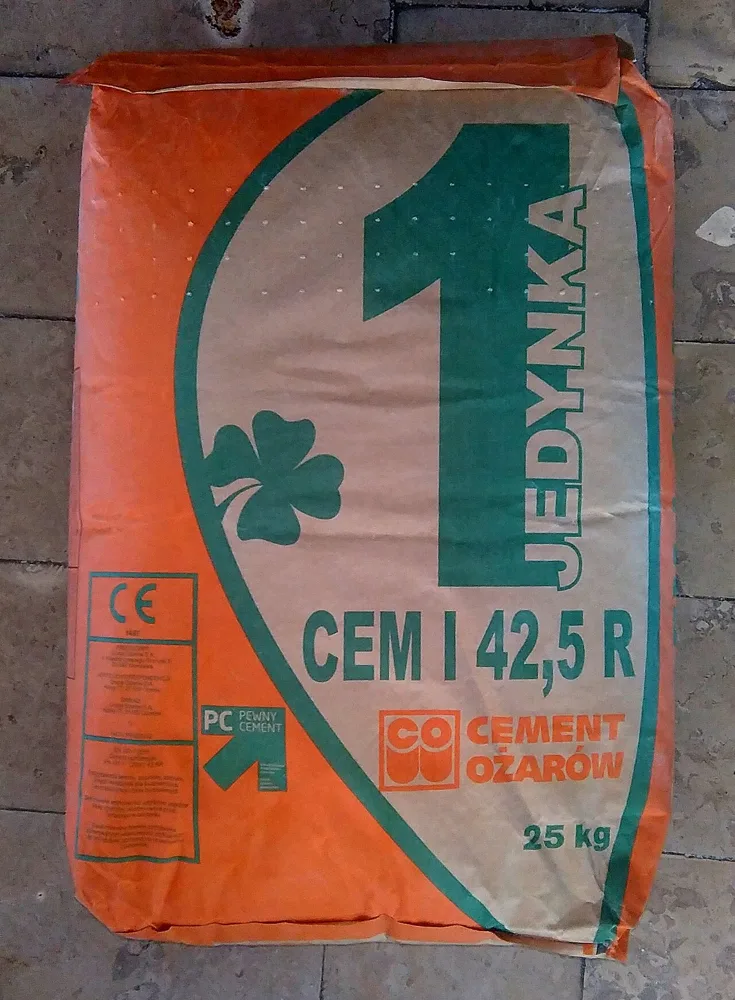
| Simba Cement | 50 kg bag | KSh 770 |
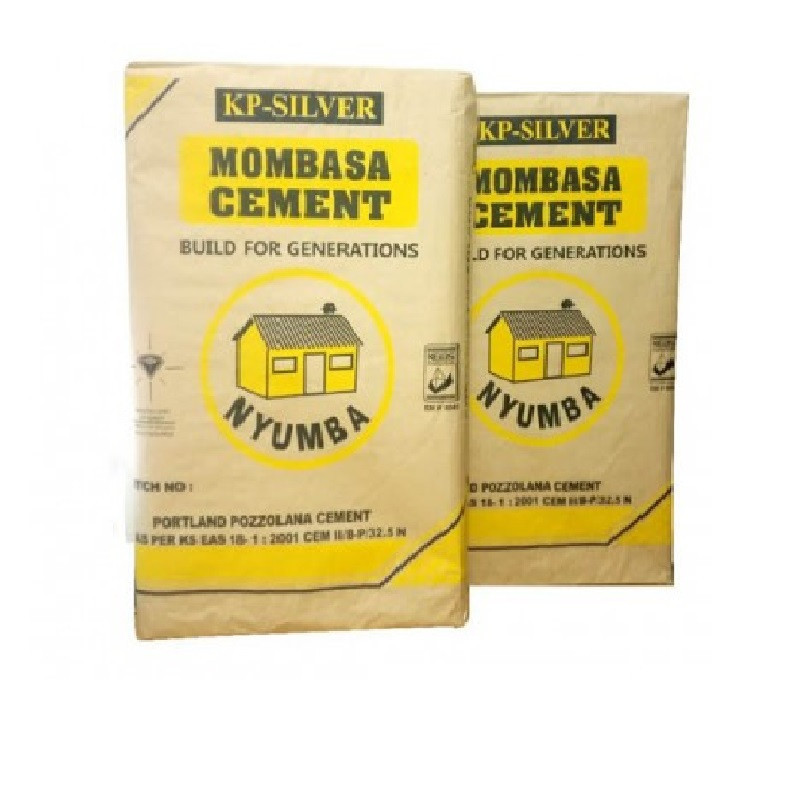
| K.P Silver Mombasa Cement | 50 kg bag | KSh 780 |
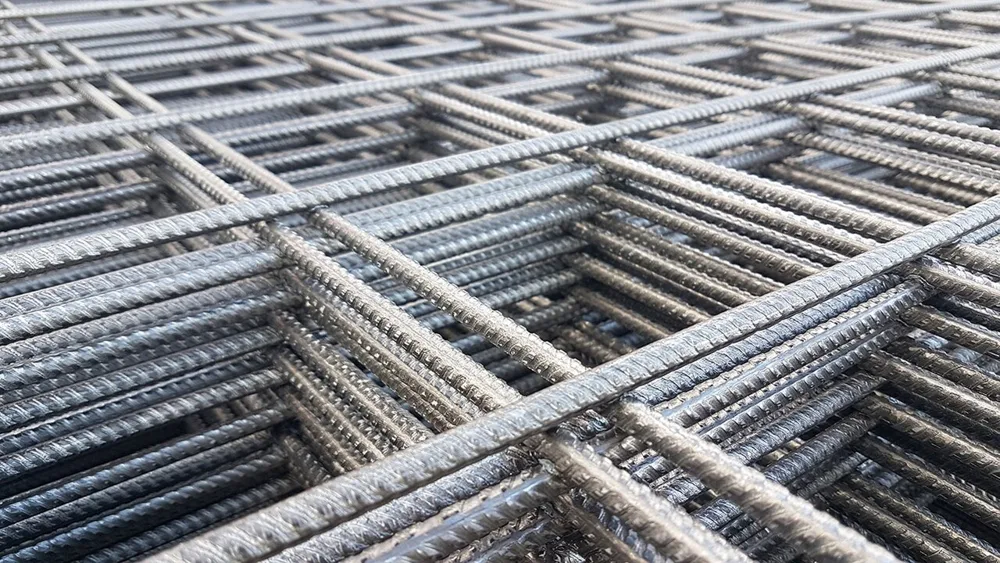
| Brc A98 | Mesh reinforcement for slabs | KSh 24,000 |
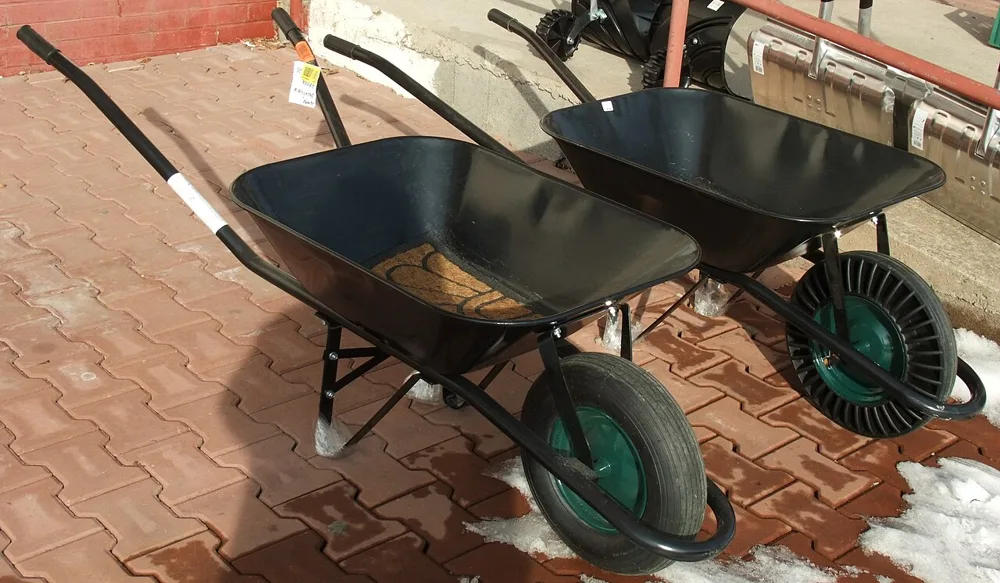
| Wheelbarrow | Moving concrete | KSh 3,600 |
| Spade (wooden handle) | Mixing | KSh 350 |
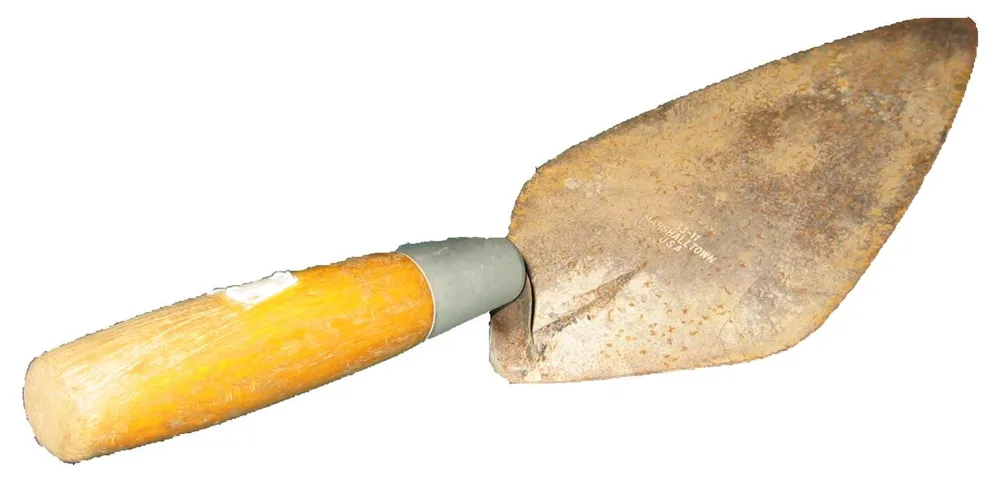
| Trowel-Big | Finishing | KSh 160 |
| Polythene Roll 12Kg | Covering for curing | KSh 1,400 |
How Many Bags of Cement for a House?
It depends on the plan, the foundation and the walling. Work it out element by element: footings and slab volume × bags per m³, plus mortar and plaster. See cost of building a 3-bedroom house and cement prices.
Worked Example: Ground Slab for a 4 m × 5 m Room
Area 20 m², thickness 0.1 m = 2 m³ of concrete. Using 1:2:4 at about 6.5 bags per m³ gives 13 bags; add 10% waste = about 14–15 bags of cement, about 0.9 m³ of sand and 1.8 m³ of ballast, plus BRC mesh over a DPM.
Common Mistakes to Avoid
- Adding extra water to make mixing easier.
- Measuring by shovels of different sizes.
- Using dirty sand or ballast with soil.
- Letting fresh concrete dry out in the sun on day one.
Not sure which one fits? Send us your details on WhatsApp or through the product page and we will help you choose.
Frequently Asked Questions
What is the ratio of concrete in Kenya?
1:2:4 is the common site mix for slabs and footings; 1:1.5:3 for columns; 1:3:6 for blinding.
How many bags of cement make 1 cubic metre of concrete?
About 6–7 bags for 1:2:4, about 8 for 1:1.5:3 and about 4–5 for 1:3:6.
How long should concrete cure?
Keep it moist for at least 7 days; it keeps gaining strength for about 28 days.
What is the mortar ratio for plastering?
Usually 1:4 to 1:6 inside and 1:3 to 1:4 for external or wet areas.
Can I use 1:2:4 for columns?
Follow your engineer; columns usually need a richer mix such as 1:1.5:3.
Prices shown are regular prices on Buy More Mall. Many products are currently on offer, so open the product page to see today's price.
Related Guides
Recent Posts
Pipe Size Chart Kenya (2026): Inches to mm for PPR, GI, HDPE and PVC Pipes
How to Install a Wash Hand Basin in Kenya (2026): Step by Step, Height and Parts
How to Apply Silicone Sealant (2026): Bathrooms, Sinks and Windows, Plus Prices in Kenya
How to Grout Tiles (2026): Step by Step, Joint Sizes, Colours and Tile Grout Price in Kenya
Basic DIY Tool Kit List for Every Kenyan Home (2026): What to Buy and Prices

Maxi and Kaftan Dresses Price in Kenya (2026): Styles, Sizes and How to Wear Them

What to Wear to a Kenyan Wedding (2026): Wedding Guest Outfits for Women and Men

How to Measure for a Suit (2026): Measurements a Tailor Needs and Suit Sizes Explained
How to Build a Chicken House in Kenya (2026): Design, Size, Materials and Cost
 buymoremall
Kenya's Online Marketplace
Buy More Mall Kenya gives you a direct link to manufacturers, suppliers and service providers. Sellers are verified, there are no shortcuts, and customised orders come at affordable rates.
- Buy direct from manufacturers & suppliers
- Verified sellers and service providers
- Pay securely with M-Pesa
Shop
Sell & Earn
Help
Contact Us
- 0717 263 774
- Chat on WhatsApp
- buymoremallkenya@gmail.com
- Eastern bypass Ruiru Near Naivas super market @ kamakis & Nanyuki Neema Academy
- Contact page