


Arduino Sensors and Modules List (2026): What Each Sensor Does, How to Connect It and Prices in Kenya
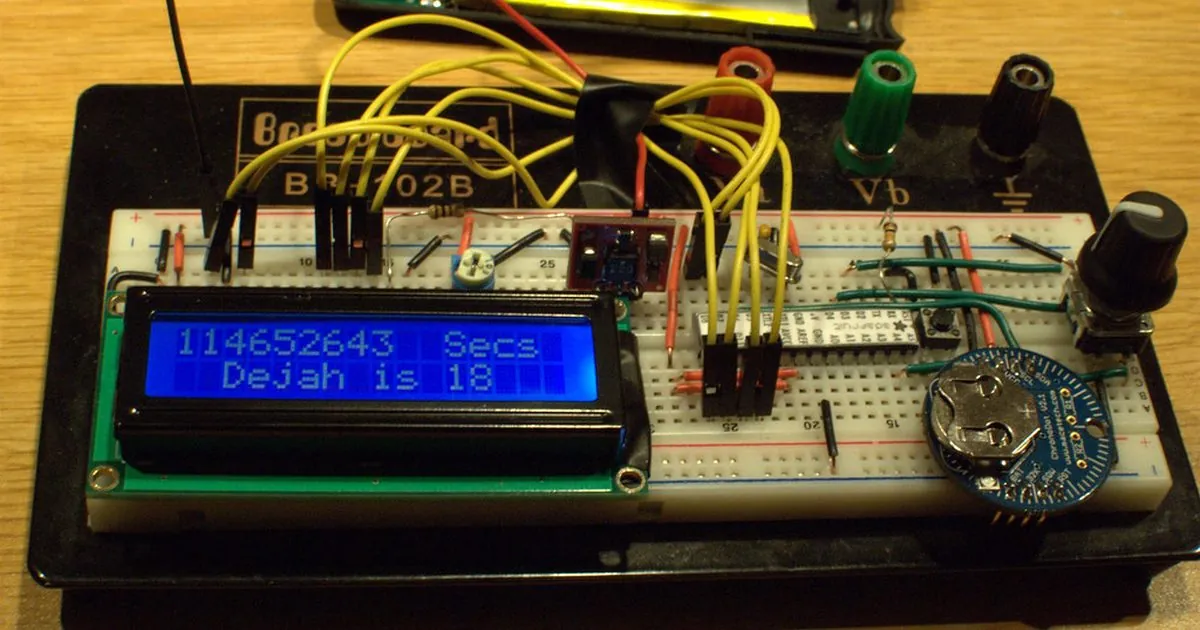
The board is only the brain; sensors are the eyes and ears, and modules such as relays and displays are the hands and the face. Below is a working list of the sensors and modules that cover most school, farm, home and small-machine projects, with what each does and how it connects.
Quick answer: The most useful Arduino sensors are: a temperature probe (DS18B20, KSh 250), an ultrasonic distance sensor (HC-SR04, KSh 300), a PIR motion sensor (KSh 300), a capacitive soil moisture sensor (KSh 300) and an LDR light sensor. The key output modules are a relay (KSh 250), a 16x2 I2C LCD (KSh 450) and a buzzer. All are in the Arduino & electronics category.
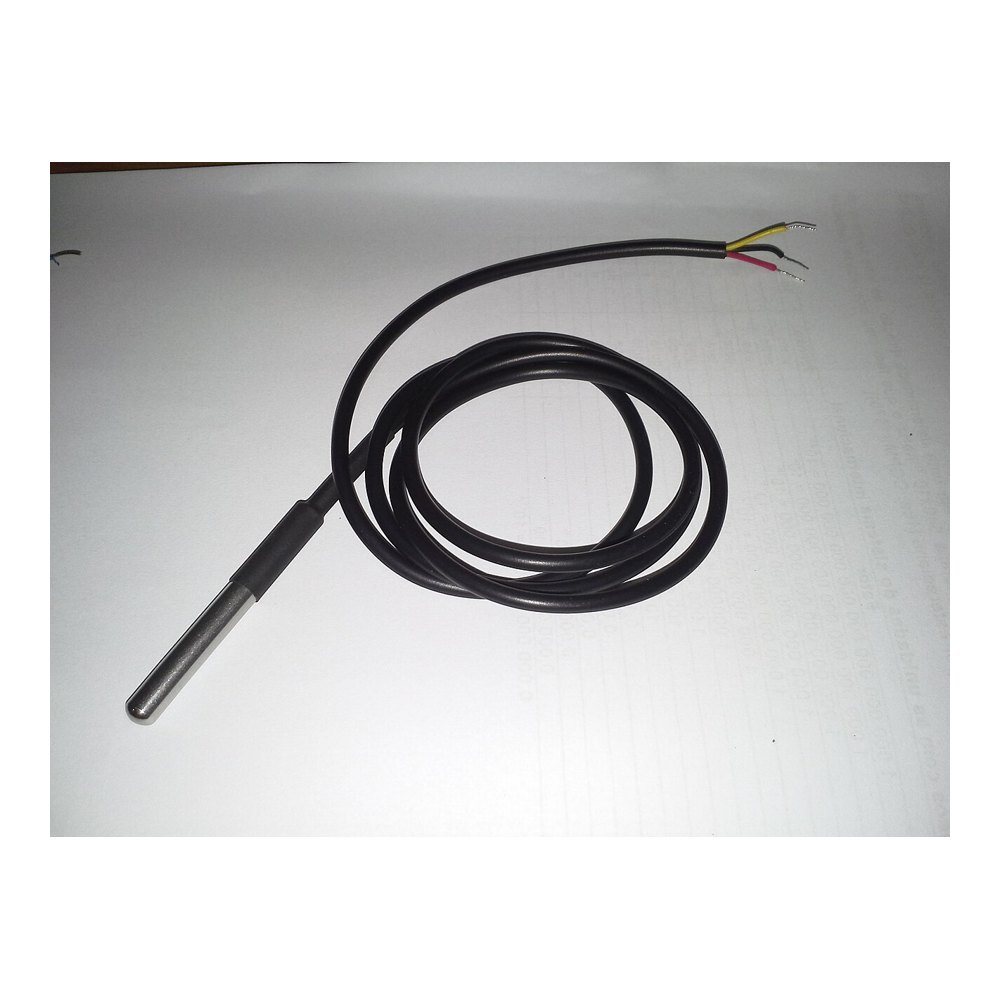
KSh 250
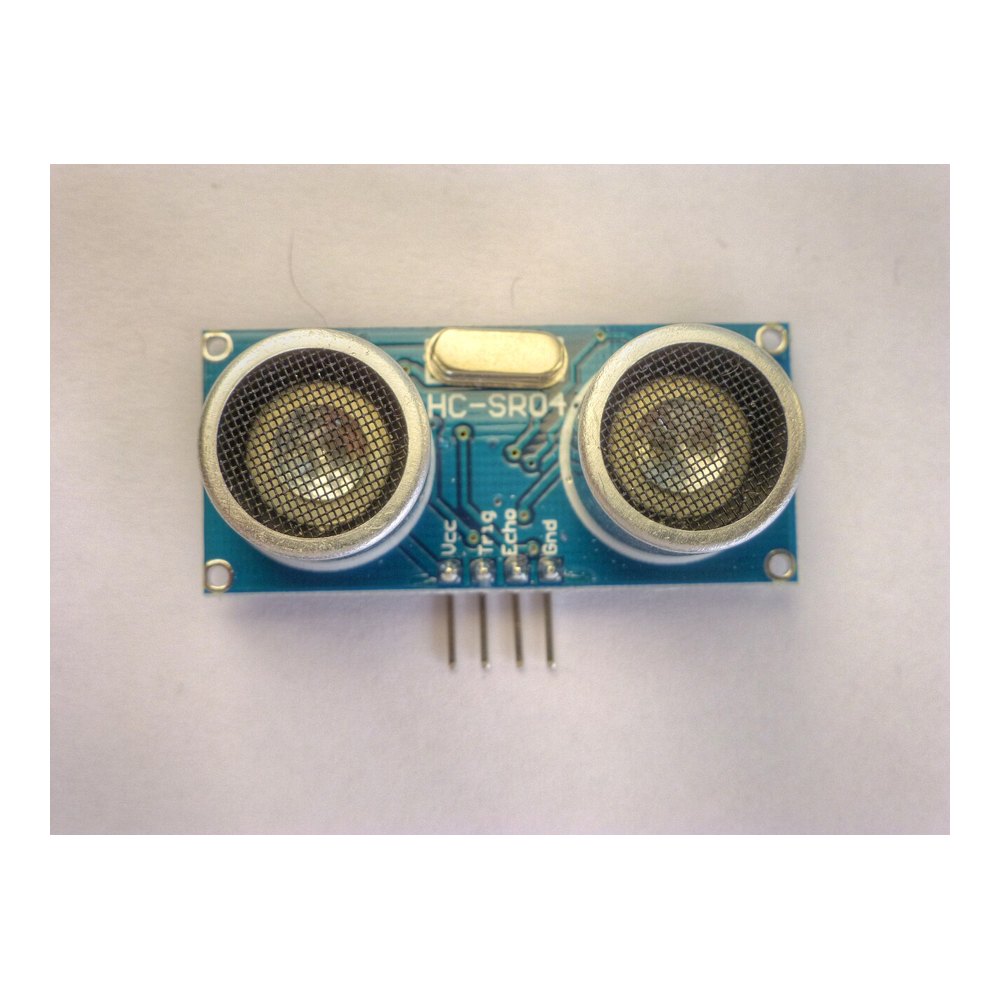
KSh 300
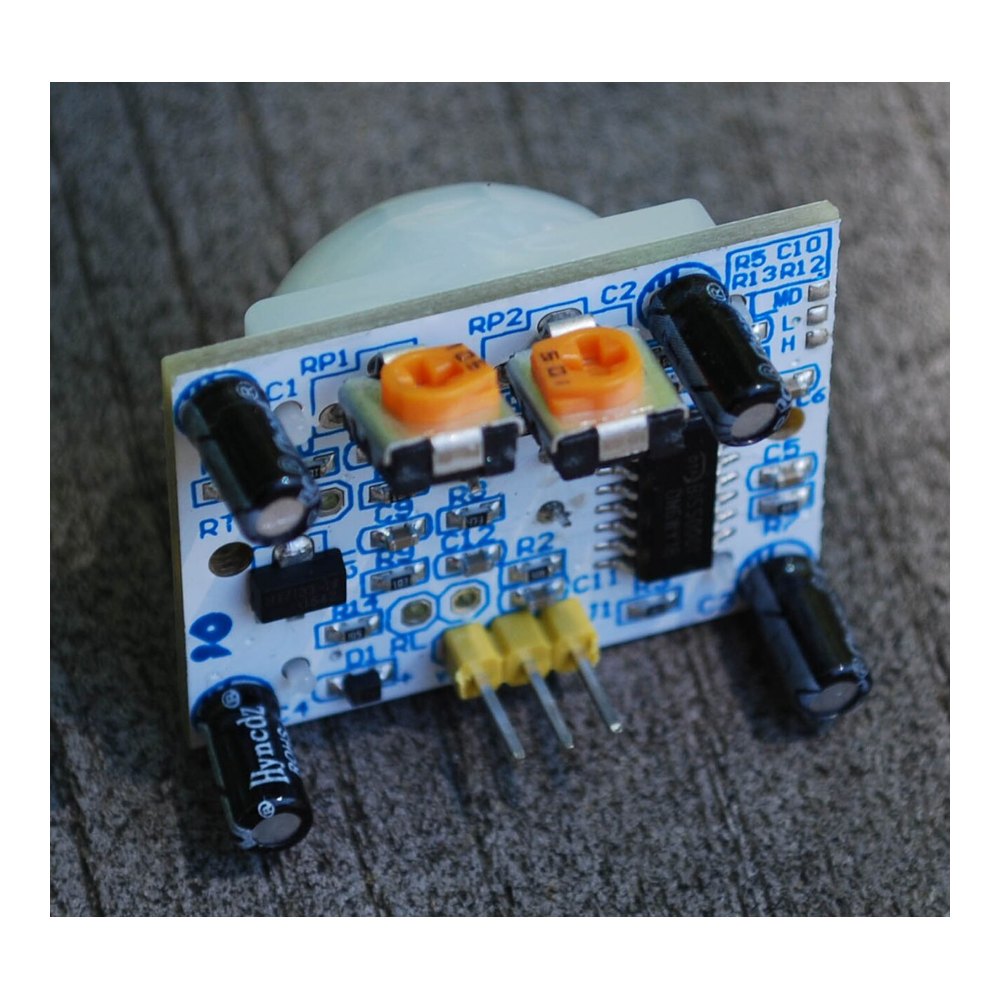
KSh 300
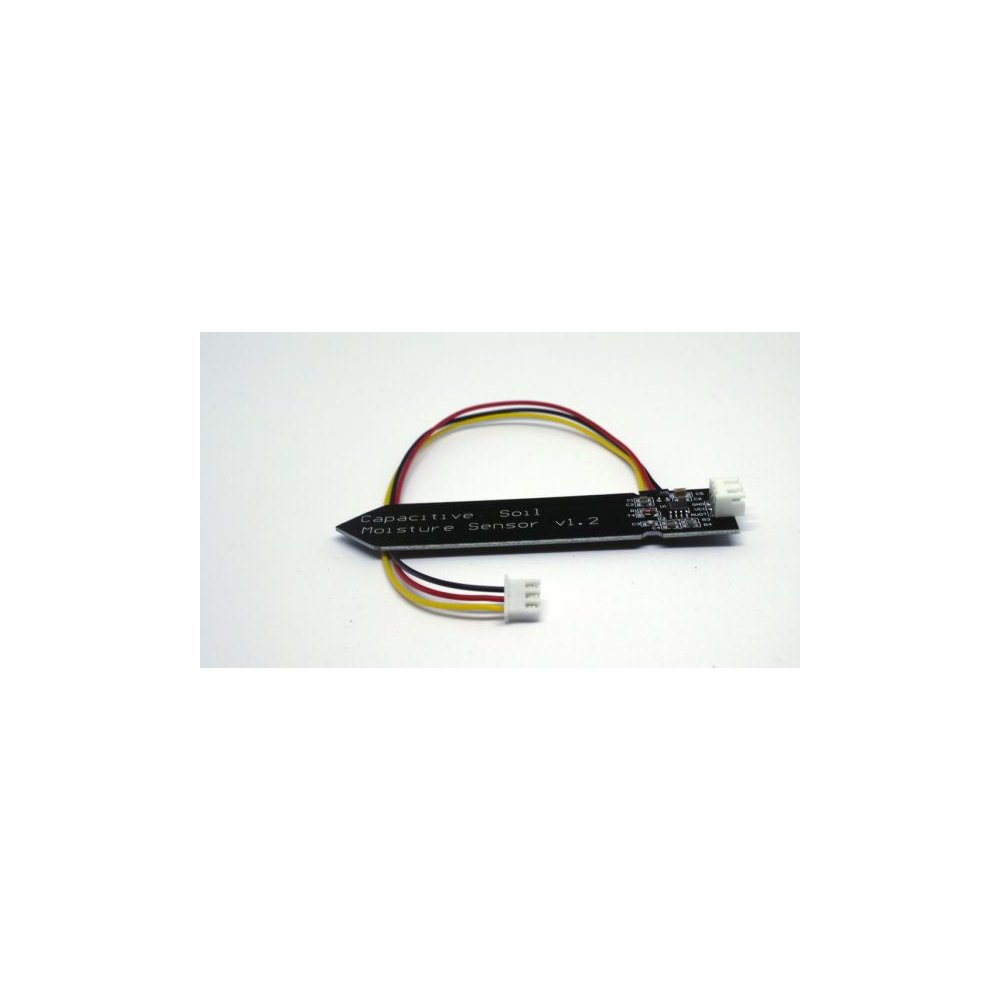
KSh 300
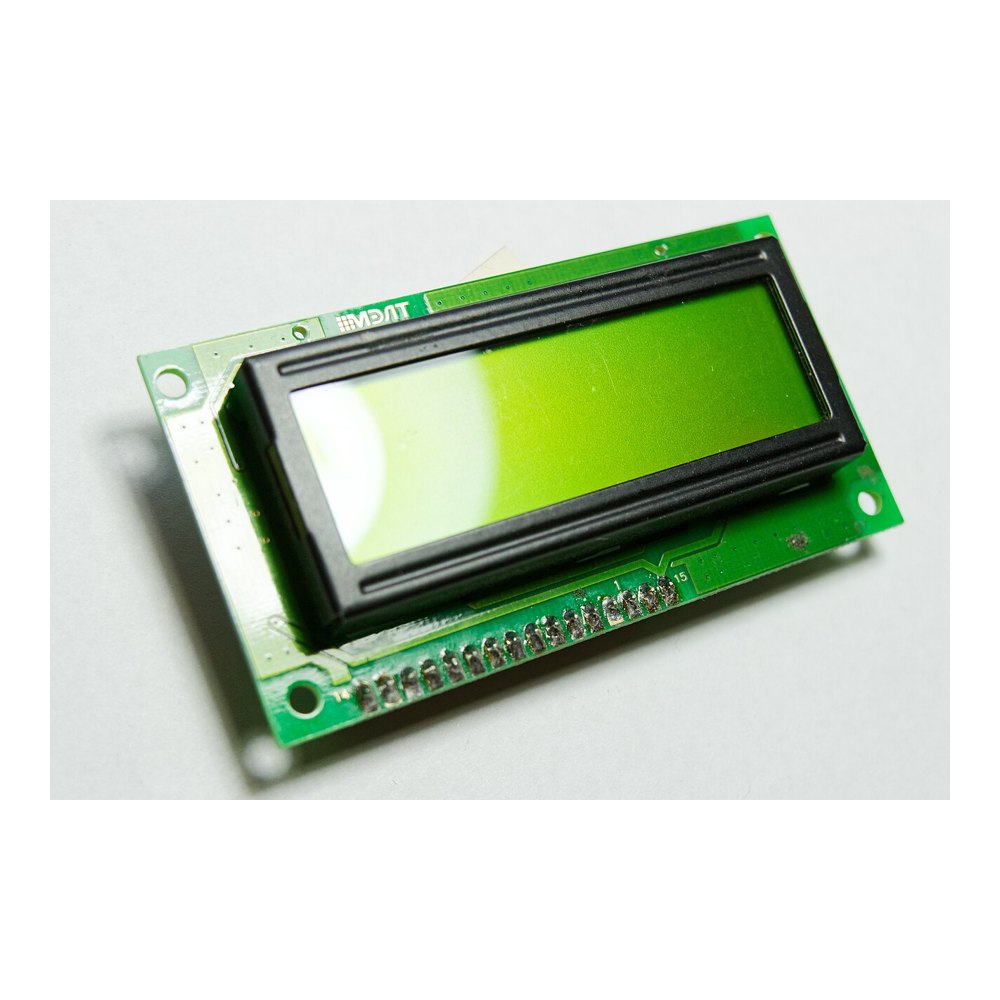
KSh 450
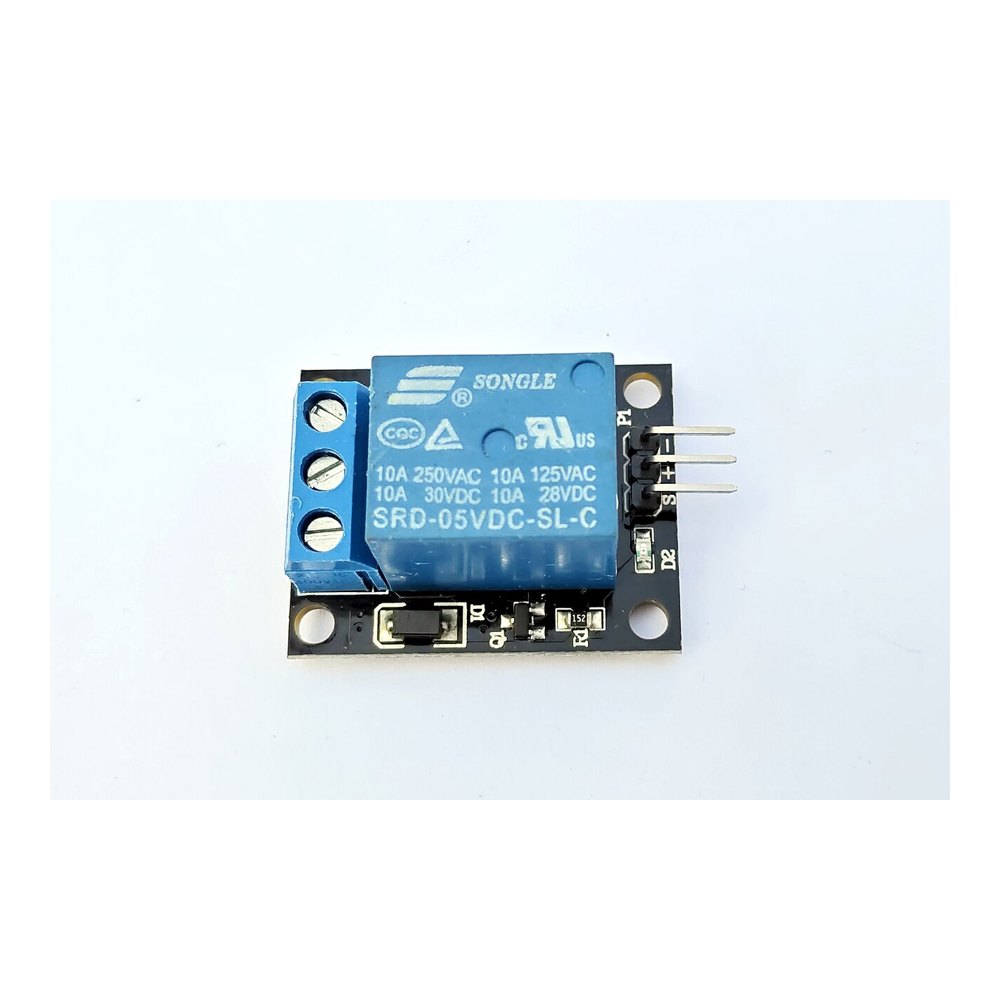
KSh 250
Arduino Sensors List (Inputs)
| Sensor | Measures | Connects to | Typical project | Price |
|---|---|---|---|---|
| DS18B20 digital temperature probe (waterproof) | Temperature -55 to +125 °C, waterproof | 1 digital pin + 4.7 kΩ resistor | Milk, water tank or brooder temperature | KSh 250 |
| 10k NTC temperature probe (waterproof) | Temperature (analogue thermistor) | 1 analogue pin + divider resistor | Heater and cooler control | KSh 600 |
| Ultrasonic distance sensor (HC-SR04) | Distance about 2 cm to 4 m | 2 digital pins (trig, echo) | Tank level, parking aid | KSh 300 |
| PIR motion sensor (HC-SR501) | Movement of people or animals | 1 digital pin | Security light, alarm | KSh 300 |
| Capacitive soil moisture sensor | Soil moisture (no corroding probes) | 1 analogue pin | Automatic watering | KSh 300 |
| Light sensor (LDR photoresistor) (pack of 5) | Light level | 1 analogue pin + resistor | Night light, curtains | KSh 150 |
| Water flow sensor 1/2" (pulse output) | Water flow, pulses per litre | 1 interrupt pin | Water vending, metering | KSh 1,150 |
| TDS water quality sensor kit | Dissolved solids in water (TDS) | 1 analogue pin | RO water quality check | KSh 3,500 |
| pH sensor kit (analogue) | Acidity (pH) | 1 analogue pin | Aquaponics, water treatment | KSh 4,700 |
| Voltage sensor module 0-25 V DC | DC voltage 0 to 25 V | 1 analogue pin | Battery and solar monitoring | KSh 300 |
| 4x3 / 4x4 membrane keypad | Key presses | 7 or 8 digital pins | PIN-code door lock, menu | KSh 200 |
Output Modules (Actuators and Displays)
| Module | What it does | Notes | Price |
|---|---|---|---|
| 1-channel 5 V relay module (10 A) | Switches a pump, bulb or solenoid | 5 V coil, contacts rated 10 A | KSh 250 |
| 4-channel 5 V relay module (opto-isolated) | Four separate loads | Opto-isolated inputs | KSh 700 |
| Solid state relay 40 A (DC control) | Silent switching of heavier AC loads | Needs a heatsink at high current | KSh 2,000 |
| 16x2 LCD display with I2C adapter | Two lines of text | Only 2 wires (SDA, SCL) thanks to I2C | KSh 450 |
| Active buzzer 5 V | Beeps and alarms | Active: just give it 5 V | KSh 150 |
| Solenoid water valve 1/2" 12 V DC | Opens or closes water flow | Drive through a relay; see our solenoid valve guide | KSh 1,400 |
| Solenoid door lock 12 V | Electric door bolt | Drive through a relay | KSh 1,150 |
Communication, Time and Power Modules
| Module | Use | Notes | Price |
|---|---|---|---|
| SIM800L GSM/GPRS module with antenna | Send and receive SMS, simple data | 2G network; needs a 3.4–4.4 V supply that can give about 2 A bursts | KSh 2,100 |
| DS3231 real-time clock module | Keeps the real time when power goes off | Coin cell backup, I2C | KSh 500 |
| PC817 optocoupler isolation module | Isolates 12–24 V signals from the board | Protects your board | KSh 500 |
| LM2596 step-down converter module | Steps 12 V down to 5 V or 3.3 V | Adjust with the screw before connecting | KSh 300 |
| 12 V DC power supply (switch mode) | Main supply for relays and valves | Mains in, 12 V DC out | KSh 1,900 |
How to Connect a Sensor to Arduino (General Steps)
- Check the sensor voltage: 5 V for the Uno, 3.3 V for the ESP32.
- Connect VCC to 5 V (or 3.3 V) and GND to GND first.
- Connect the signal pin: analogue sensors to A0–A5, digital sensors to a digital pin.
- Install the library if the sensor needs one (for example OneWire and DallasTemperature for the DS18B20).
- Upload the library example and open the Serial Monitor to see readings before adding relays or displays.
Sensor vs actuator: a sensor sends information to the board (temperature, distance); an actuator receives commands from the board (relay, buzzer, valve). Every project is just sensors → program → actuators.
Worked Example: A Brooder Controller for 300 Chicks
A poultry farmer in Kiambu combines a DS18B20 probe, a 16x2 LCD, a buzzer and a solid state relay with an Arduino Uno. The program keeps the brooder lamp between 32 and 35 °C in the first week, shows the temperature on the LCD and sounds the buzzer if it drops below 30 °C. The parts list came from the Herrice Technologies shop.
Common Mistakes to Avoid
- Mixing up GND and VCC; double-check before powering on.
- Long unshielded sensor cables near motors, which give jumpy readings.
- Ultrasonic sensors in steamy tanks without a cover.
- Running a GSM module from the board 5 V pin, which causes resets.
- Skipping isolation when reading 12–24 V machine signals.
Frequently Asked Questions
Which sensors are available for Arduino?
Temperature, humidity, distance, motion, light, soil moisture, water flow, TDS, pH, voltage, sound, gas and many more. The table above lists the common ones with prices in Kenya.
How much do Arduino sensors cost in Kenya?
Most basic sensors cost between KSh 150 and KSh 600; water quality kits such as TDS and pH cost more.
What is the difference between sensors and actuators?
Sensors measure and send data to the board; actuators such as relays, motors and valves act on the board's commands.
Can I use Arduino sensors with ESP32?
Yes, as long as the sensor works at 3.3 V or you level-shift its signal.
Do I need a library for each sensor?
Many sensors have a free library in the Arduino IDE Library Manager that makes reading them a single line of code.
Cover photo: 'Dejah View' - Event count-down / count-up timer by SeanNerd, BY 2.0, via Openverse. Cropped.
Related Guides
Recent Posts
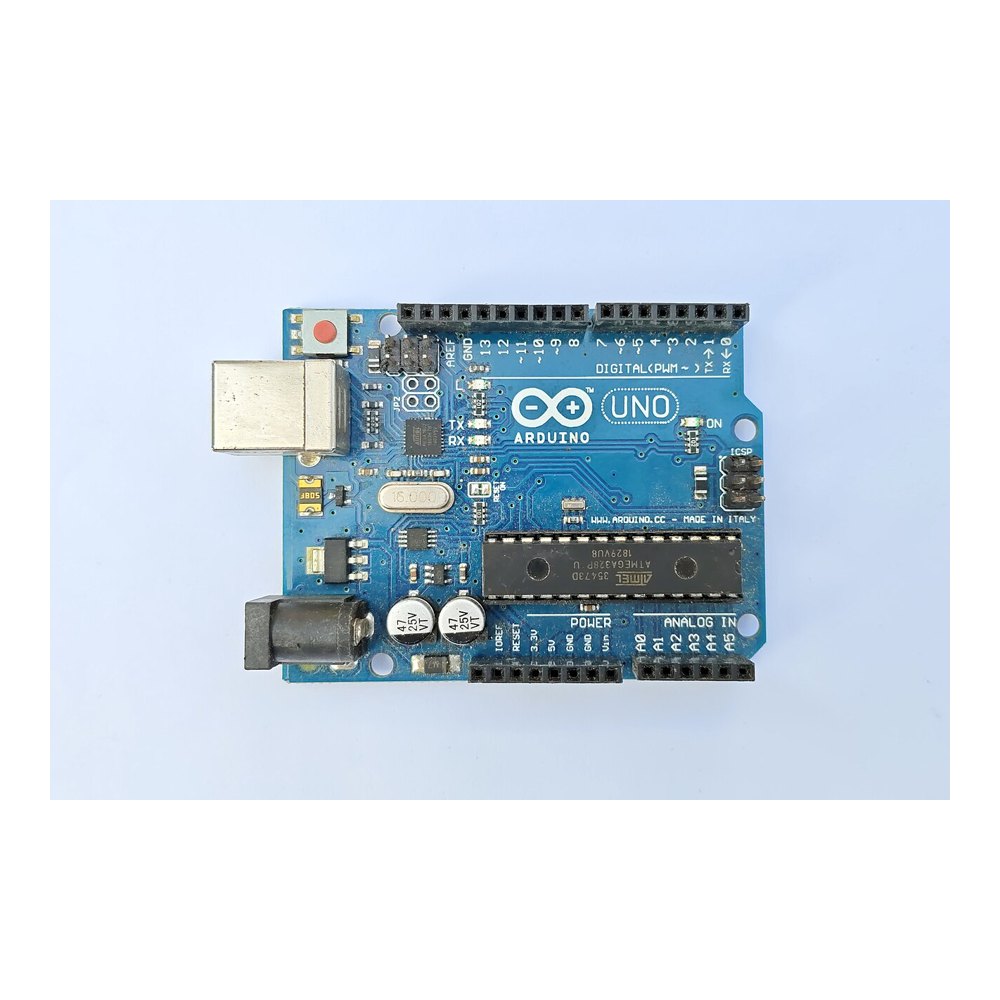
Arduino Uno Price in Kenya (2026): Uno R3 vs Nano vs Kits, What You Get and Which to Buy
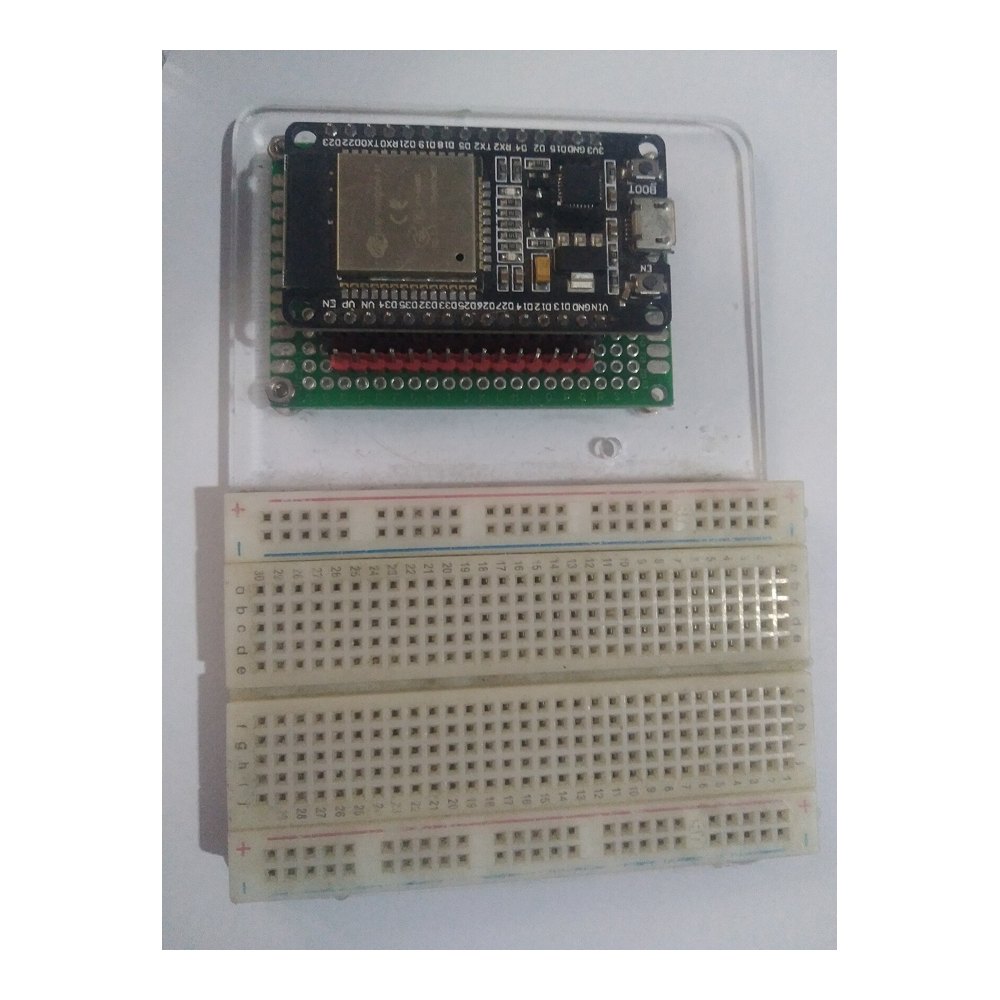
ESP32 Price in Kenya (2026): ESP32 DevKit vs Arduino, WiFi Projects, Pins and How to Program It
Arduino Sensors and Modules List (2026): What Each Sensor Does, How to Connect It and Prices in Kenya
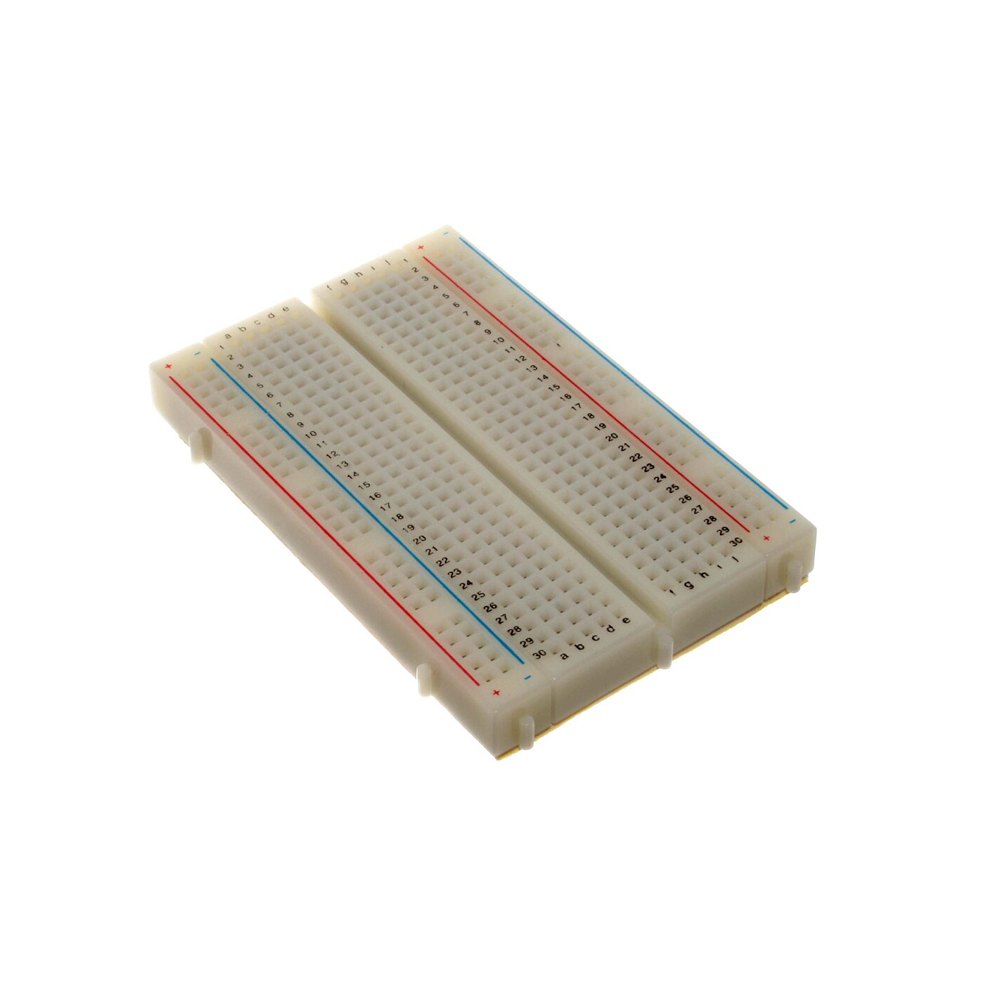
10 Easy Arduino Projects for Beginners (2026): Step by Step With Parts List and Cost in Kenya

Desktop Computer Price in Kenya (2026): Complete Desktop, All-in-One and Mini PC Prices and How to Choose
External Hard Drive Price in Kenya (2026): 1TB, 2TB and 4TB Prices, HDD vs SSD and How to Choose
Solenoid Valve Price in Kenya (2026): How It Works, Types, 12 V vs 24 V vs 220 V, Testing and Common Problems
Water Level Controller and Float Switch in Kenya (2026): Price, How It Works, Wiring to a Pump and Fixes
How Often to Change Water Filter Cartridges (2026): Replacement Schedule, Prices in Kenya and How to Change Them
 buymoremall
Kenya's Online Marketplace
Buy More Mall Kenya gives you a direct link to manufacturers, suppliers and service providers. Sellers are verified, there are no shortcuts, and customised orders come at affordable rates.
- Buy direct from manufacturers & suppliers
- Verified sellers and service providers
- Pay securely with M-Pesa
Shop
Sell & Earn
Help
Contact Us
- 0717 263 774
- Chat on WhatsApp
- buymoremallkenya@gmail.com
- Eastern bypass Ruiru Near Naivas super market @ kamakis & Nanyuki Neema Academy
- Contact page