


How to Start a Yoghurt Business in Kenya (2026): Process, Licences, Machines and Packaging
Yoghurt sells every day in supermarkets, schools and kiosks, and it earns more per litre than raw milk. Here is how a small yoghurt business works, with machines you can buy on Buy More Mall from Herritech Ventures (H-TECH) and Africa Packaging Solutions.
KSh 140,000
KSh 210,000
KSh 78,750
KSh 970,000
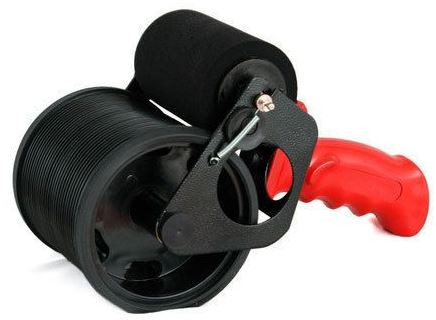
KSh 25,000
How Is Yoghurt Made? (Step by Step)
- Receive and test fresh milk (smell, lactometer, freshness).
- Heat the milk in a pasteuriser, typically to about 85–90 °C, and hold it there for several minutes. This kills bacteria and helps the yoghurt set thick.
- Cool it to about 42–45 °C.
- Add starter culture and stir.
- Incubate at about 42–45 °C for roughly 4–8 hours until it sets.
- Cool to about 4 °C to stop fermentation.
- Flavour and sweeten (optional), then fill, seal and code the cups or bottles.
- Keep cold in a display fridge until sold.
Times and temperatures depend on your culture; follow the culture supplier's instructions and keep records for every batch.
Approvals
- Kenya Dairy Board licence for dairy processing.
- KEBS certification (Standardization Mark) for the product.
- County business permit and public health approval; medical certificates for staff.
Machines and Prices
| Machine | Stage | Price |
|---|---|---|
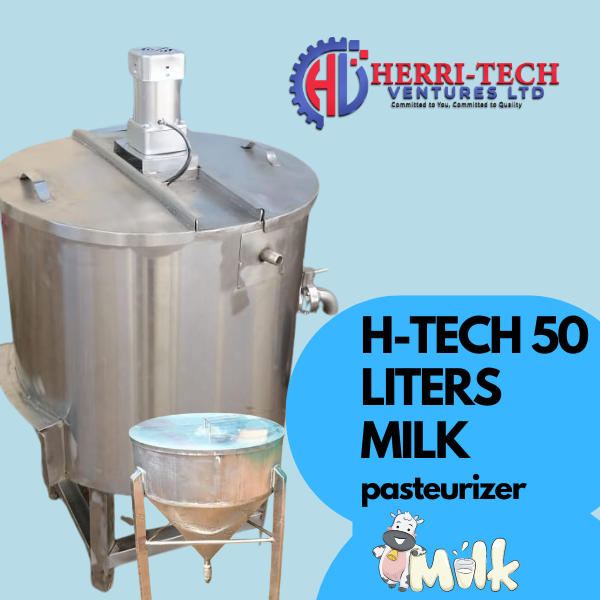
| 50 Liters Milk pasteuriser | Pasteuriser, 50 litres | KSh 140,000 |
| 100l milk pasteuriser kenya | Pasteuriser, 100 litres | KSh 160,000 |
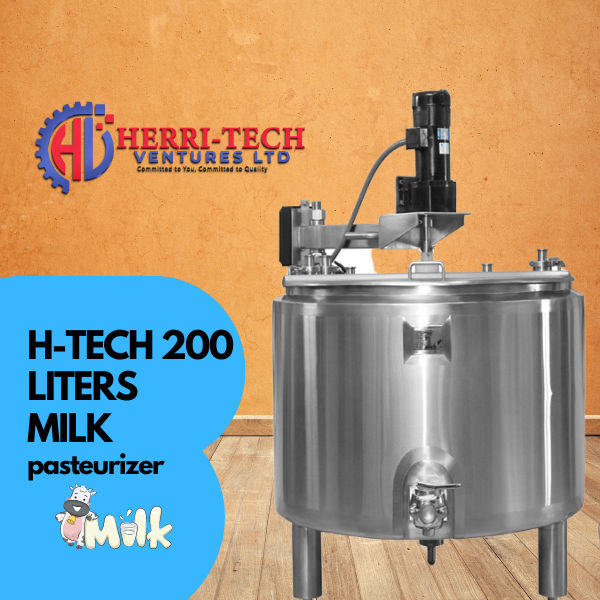
| 200 Liters Milk Pasteuriser | Pasteuriser, 200 litres | KSh 210,000 |
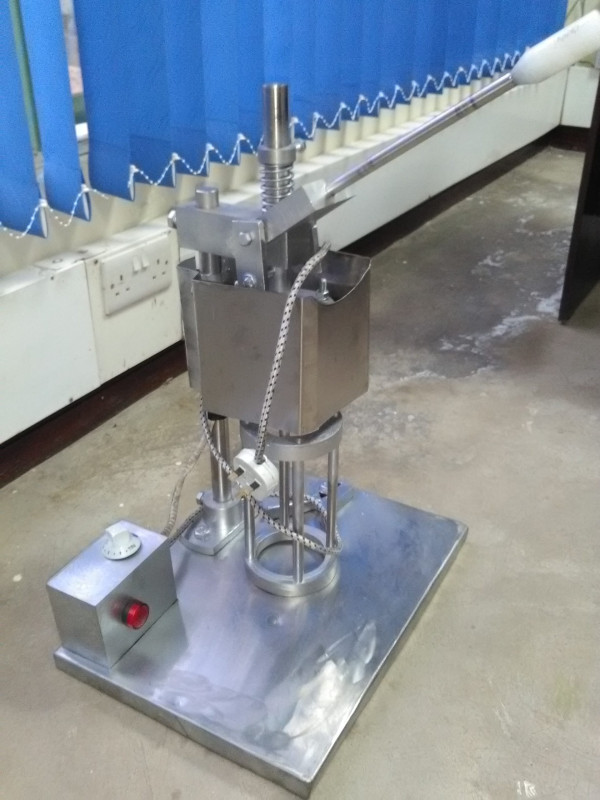
| Manual Cup Sealer Machine | Manual cup sealer | KSh 78,750 |
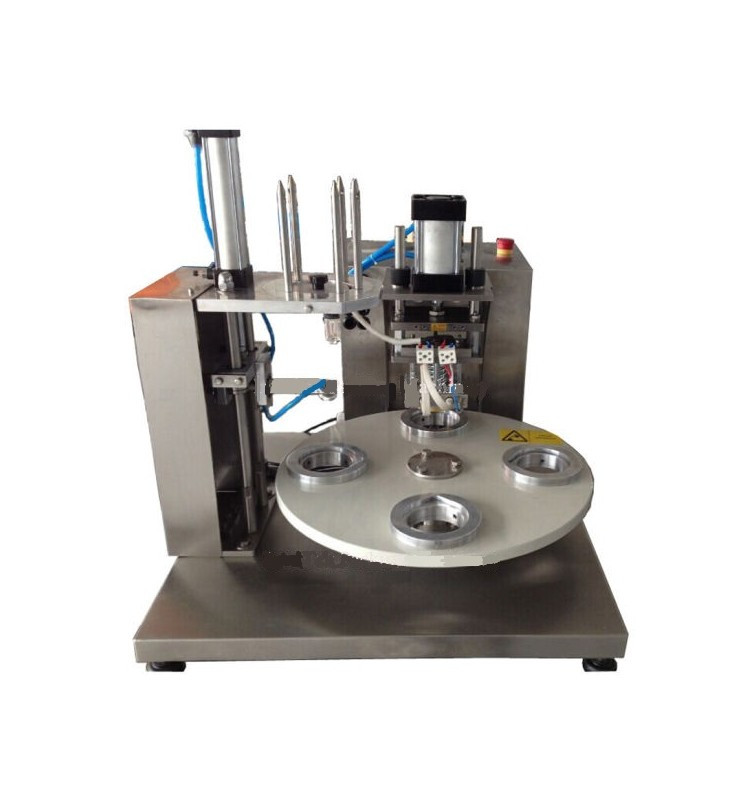
| Semi-auto cup filling and sealing machine | Semi-automatic cup filling and sealing | KSh 970,000 |
| Manual Liquid & Paste Filling Machine | Manual liquid and paste filler (bottles) | KSh 95,000 |
| Manual Coding Machines | Manual coding machine (batch and dates) | KSh 25,000 |
| 400 Liters Display Fridge(EX-UK) | 400-litre display fridge | KSh 43,000 |
Full pasteuriser range: Milk Pasteuriser Price in Kenya. Sealers: Sealing Machine Price in Kenya. Coders: Batch Coding and Labelling Machines.
Packaging Options
| Pack | Equipment |
|---|---|
| Sealed cups | Cup sealer, or a cup filling and sealing machine |
| Bottles | Liquid filler, caps or induction seal, labels |
| Bulk (5–20 litres) for hotels and schools | Food-grade buckets or cans |
Every pack needs a batch number and use-by date.
How Profitable Is a Yoghurt Business?
Work out your cost per pack: milk, culture, sugar and flavour, the cup and lid or bottle, power, labour and losses. Price above that, and below what shops already charge for similar yoghurt, so retailers can earn a margin too. Start with one or two flavours and grow as orders come in.
Common mistakes: skipping the heating step, poor cleaning (yoghurt picks up wild bacteria easily), selling without a use-by date, and breaking the cold chain.
Not sure which one fits? Send us your details on WhatsApp or through the product page and we will help you choose.
Frequently Asked Questions
How do I start a yoghurt business in Kenya?
Secure milk supply and buyers, get Kenya Dairy Board and KEBS approvals, buy a pasteuriser, sealer and coder, and keep the product cold.
How is yoghurt made step by step?
Heat milk to about 85–90 °C, cool to about 42–45 °C, add culture, incubate about 4–8 hours until set, cool to 4 °C, then flavour and pack.
How much is a commercial yoghurt making machine in Kenya?
The pasteuriser is the main machine: from KSh 140,000 for 50 litres on Buy More Mall.
How much is a yoghurt cup sealing machine?
A manual cup sealer is KSh 78,750 on Buy More Mall.
Is a yoghurt business profitable in Kenya?
It can be, when your cost per pack is well below shop prices and you sell steadily without breaking the cold chain.
Prices shown are regular prices on Buy More Mall. Many products are currently on offer, so open the product page to see today's price.
Related Guides
Recent Posts
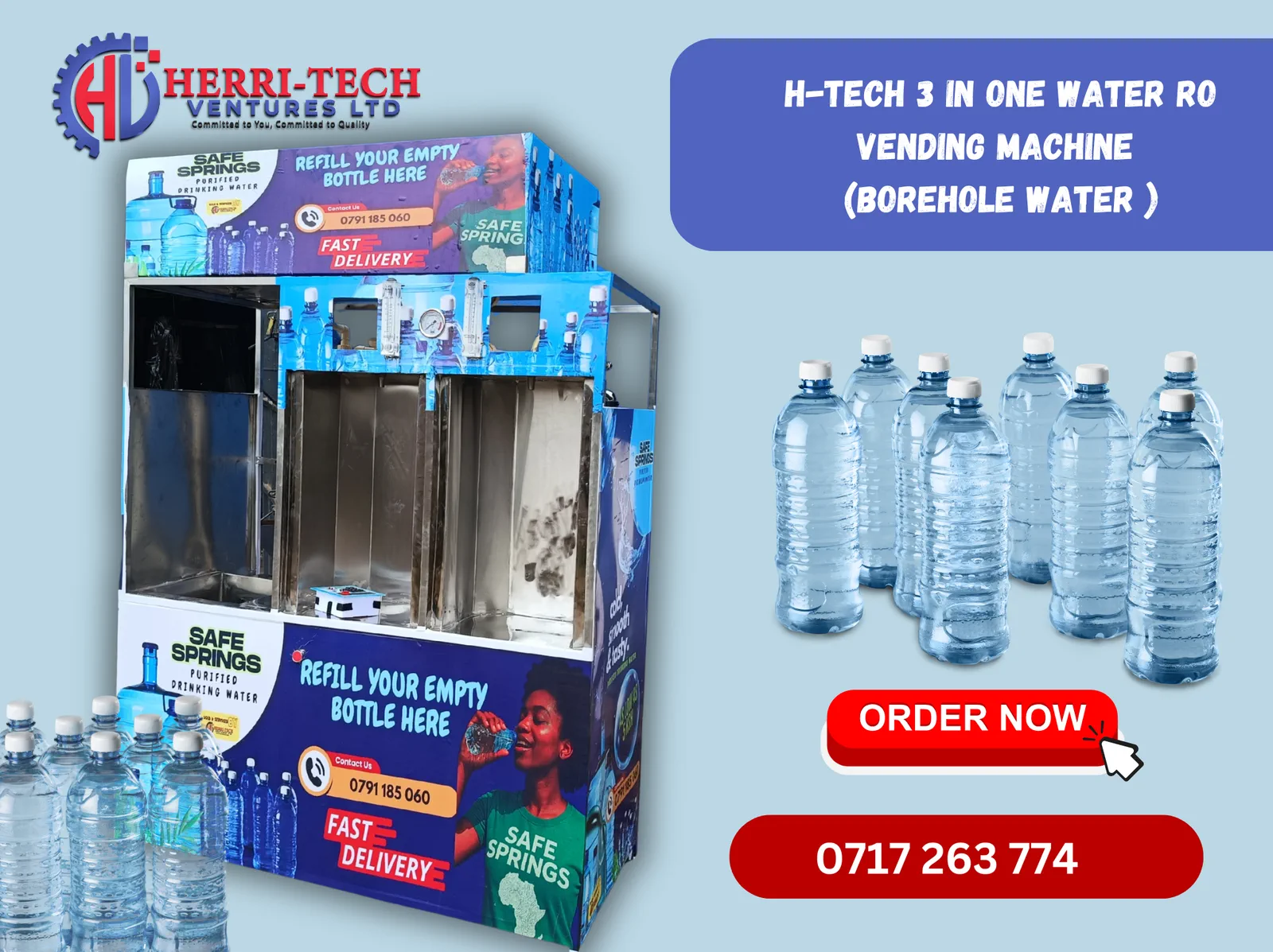
3-in-1 Water Refilling Machine Price in Kenya (2026): Municipal UF vs Borehole RO
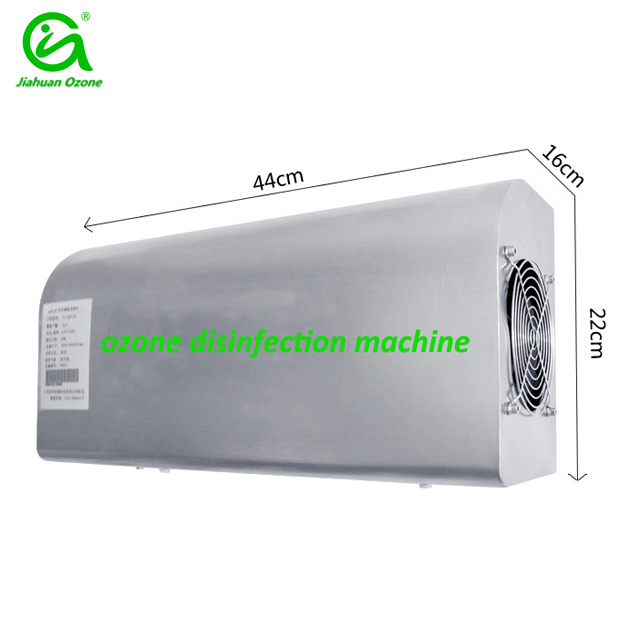
Ozone Generator Price in Kenya (2026): Sizes, Uses and How It Works
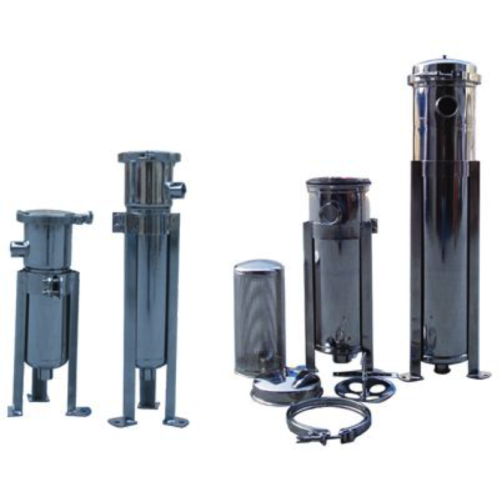
Bag Filter Housing Price in Kenya (2026): Stainless Housings and Bag Filters
Water Meter Price in Kenya (2026): Household Meters and Flow Meters
Paint and Paint Brush Price in Kenya (2026): How Much Paint You Need
Stainless Steel Castor Wheels and Kitchen Inserts Price in Kenya (2026)

Hair Extensions and Braids Price in Kenya (2026): Crochet, Weaves and Box Braids
Commercial RO System Price in Kenya (2026): 250 to 750 LPH Water Purifiers
Sachet and Pouch Packing Machine Price in Kenya (2026): Powder and Liquid
 buymoremall
Kenya's Online Marketplace
buymoremall
Kenya's Online Marketplace
Buy More Mall Kenya gives you a direct link to manufacturers, suppliers and service providers. Sellers are verified, there are no shortcuts, and customised orders come at affordable rates.
- Buy direct from manufacturers & suppliers
- Verified sellers and service providers
- Pay securely with M-Pesa
Shop
Sell & Earn
Help
Contact Us
- 0717 263 774
- Chat on WhatsApp
- buymoremallkenya@gmail.com
- Eastern bypass Ruiru Near Naivas super market @ kamakis & Nanyuki Neema Academy
- Contact page