


How to Keep Business Records in Kenya (2026): Simple System for Small Businesses
Many small businesses in Kenya make sales every day but cannot say at the end of the month whether they made a profit. Good records fix that. They show which products sell, where money leaks, who owes you and what to declare to KRA. Record keeping does not need an accountant: it needs a habit.
Quick answer: Keep five records: sales (every sale, cash or M-Pesa), expenses (rent, stock purchases, transport, wages, with receipts), stock (what came in, what went out, what is left), customers and debtors (who bought, who owes), and documents (quotations, invoices, permits, tax returns). Record daily, separate business and personal money, and keep records for at least five years, the period KRA generally uses under the Tax Procedures Act. On Buy More Mall, My Business in your Buy More Mall seller dashboard: customers, stock levels and low-stock alerts on every package, plus buying prices, stock history, expenses, profit and daily cash from the Simba package up.
Which Business Records Should You Keep?
| Record | What to write | How often |
|---|---|---|
| Sales | Date, item, quantity, price, how paid (cash, till, bank) | Every sale, totalled daily |
| Expenses | Date, what for, amount, receipt or M-Pesa code | Every payment |
| Stock | Opening stock, new stock in, sold, closing stock | Daily for fast items, weekly for others |
| Customers and debtors | Name, phone, what they bought, amount owed, due date | Every credit sale |
| Documents | Quotations, invoices, receipts, permits, KRA returns | File as you go |
Books, Excel or an App?
| Method | Good for | Watch out for |
|---|---|---|
| Exercise book / cash book | Very small kiosks, starting out | Easy to lose, hard to total |
| Excel or Google Sheets | Owners comfortable with a computer | Formulas break; needs discipline |
| Business tool linked to your shop | Sellers who sell online and offline | Make sure you can export or view your data |
How to Keep Business Records in Excel
- Make one sheet each for Sales, Expenses and Stock.
- Use the same columns every day: Date, Description, Quantity, Amount, Payment method, Reference.
- Add a monthly summary sheet: total sales minus total expenses.
- Back up the file to email or cloud storage weekly.
Let My Business Keep Your Records
If you sell on Buy More Mall, My Business in your seller dashboard builds records from what you already do:
- Customers: built automatically from orders, invoices and enquiries, merged by phone number, with purchase history.
- Stock: current levels and low-stock alerts; from Simba up, stock-in and adjustments with history and buying prices.
- Expenses: rent, transport, wages and more (Simba and above).
- Profit and daily cash: sales minus cost of goods and expenses (Simba and above).
- Documents: numbered quotations and invoices with payments recorded.
Your figures stay private to your shop. If your package expires, your records stay readable; you renew to add new entries.
| Package | Price | Active for | Products | Own website |
|---|---|---|---|---|
| Chui | KES 2,500 | 30 days | 50 | Shop page on Buy More Mall |
| Simba | KES 7,500 | 90 days | 100 | Yes: yourshop.buymoremall.co.ke |
| Nyati | KES 25,000 | 90 days | 300 | Yes, plus own domain |
| Kifaru | KES 60,000 | 180 days | 500 | Yes, plus own domain |
| Ndovu | KES 99,999 | 365 days | 750 | Yes, plus own domain and all premium designs |
Package prices as listed on Buy More Mall in November 2026; see the packages page for current offers.
How Long Should You Keep Business Records?
Keep records and supporting documents for at least five years, which is the general period under Kenya's Tax Procedures Act; KRA can ask for them during that time. Keep longer if a matter with KRA is still open. Ask a tax adviser about your case.
Worked Example: A Hardware Shop Finds Its Leak
A hardware owner starts recording every expense for a month. She finds she spends more on daily boda deliveries than she charges customers for delivery. She adds a delivery fee and groups deliveries by area, turning a loss into a small profit.
Common Mistakes to Avoid
- Mixing personal and business M-Pesa.
- Recording sales but not expenses.
- Not recording credit sales, so debts are forgotten.
- Throwing away receipts.
- Waiting until the tax deadline to sort records.
Frequently Asked Questions
What is the best way to keep business records?
Record every sale and expense daily in one place, keep receipts, and review totals weekly.
How long should I keep business records in Kenya?
At least five years is the general rule under the Tax Procedures Act; longer if a tax matter is open.
Do small businesses need to keep records?
Yes. Records are needed for tax returns, loans and knowing your profit.
Can I keep business records on my phone?
Yes, with a spreadsheet app or a business tool such as My Business on Buy More Mall.
What are the most important records?
Sales, expenses, stock, debtors and tax documents.
Cover photo: Pen to paper Project 365(2) Day 145 by Keith Williamson, BY 2.0, via Openverse. Cropped.
Related Guides
Recent Posts

How to Make an Invoice in Kenya (2026): Free Template, What to Include and How to Get Paid

How to Write a Quotation in Kenya (2026): Format, Sample and Tips to Win the Job
How to Keep Business Records in Kenya (2026): Simple System for Small Businesses
How to Manage Stock in a Small Shop in Kenya (2026): Stop Losses and Stock-Outs
How to Calculate Profit in a Small Business (2026): Formula and Kenyan Examples
KRA eTIMS for Small Businesses (2026): How to Register and Issue an eTIMS Invoice

How to Sell on TikTok in Kenya (2026): Videos, Lives and Turning Views Into Orders

How to Run a Sale or Discount Offer in Kenya (2026): 12 Ideas That Protect Your Profit
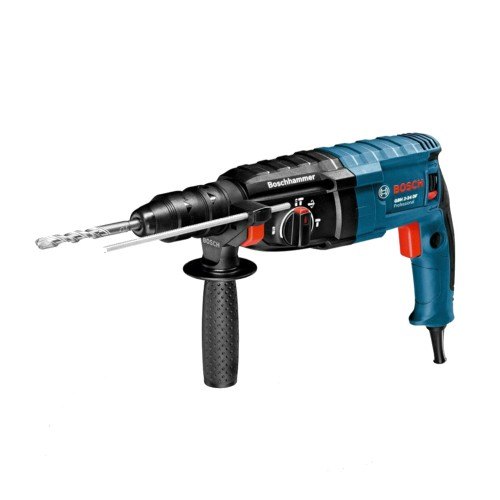
Rotary Hammer and Demolition Hammer Price in Kenya (2026): Which One Do You Need?
 buymoremall
Kenya's Online Marketplace
Buy More Mall Kenya gives you a direct link to manufacturers, suppliers and service providers. Sellers are verified, there are no shortcuts, and customised orders come at affordable rates.
- Buy direct from manufacturers & suppliers
- Verified sellers and service providers
- Pay securely with M-Pesa
Shop
Sell & Earn
Help
Contact Us
- 0717 263 774
- Chat on WhatsApp
- buymoremallkenya@gmail.com
- Eastern bypass Ruiru Near Naivas super market @ kamakis & Nanyuki Neema Academy
- Contact page