How to Clean a Milk ATM: Daily and Weekly Cleaning Routine
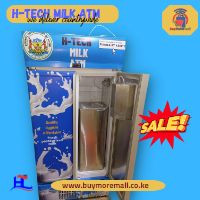
A clean milk ATM protects your customers, keeps milk from spoiling and keeps you in good standing with health and Kenya Dairy Board inspectors. Milk leaves fat, protein and mineral deposits that bacteria feed on, so cleaning must be thorough and regular. Here is a simple daily and weekly routine.
Daily Cleaning Routine
- Empty the tank completely. Never top up yesterday's milk with fresh milk.
- Pre-rinse the tank, pump line and nozzle with lukewarm water (not hot) to flush out milk residue before it dries on.
- Wash with a dairy (alkaline) detergent in warm water to dissolve fat and protein. Scrub the tank walls, lid, gaskets and nozzle with a soft food-grade brush.
- Rinse thoroughly with clean water until no detergent remains.
- Sanitise with a food-grade sanitiser, leaving it in contact for the time on the label (typically a few minutes).
- Drain and air-dry with the lid open, or refill immediately with fresh chilled milk.
Weekly: Acid Rinse
Once a week, after the alkaline wash, use a dairy acid rinse to remove milk stone, the whitish mineral film that builds up on stainless steel. Milk stone hides bacteria and is hard to see, so do not skip this step.
Keep Milk Cold All the Time
- Load only chilled milk, and keep the machine's cooling running around the clock.
- Check the temperature display several times a day and record it.
- Deal with power cuts quickly. A backup power plan protects your stock.
Hygiene Habits for Staff
- Wash hands before handling milk or equipment, and wear a clean coat and cap.
- Keep valid medical (food handler's) certificates for all staff.
- Clean the dispensing area, floor and drip tray daily.
- Keep a cleaning log with the date, time and who cleaned. Inspectors appreciate it.
Equipment That Makes Cleaning Easier
KSh 270,000
KSh 15,000
KSh 24,000
KSh 500
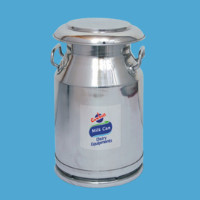
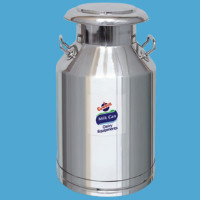
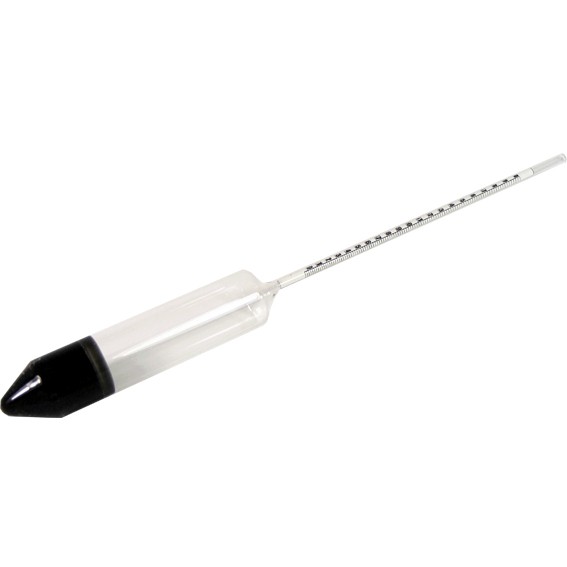
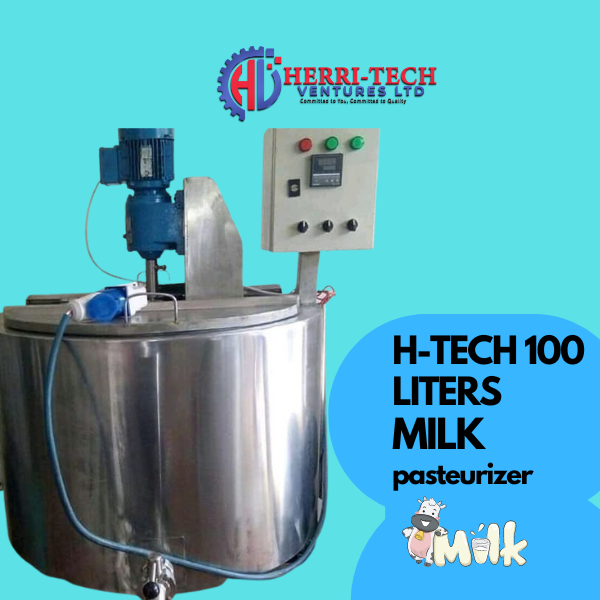
H-TECH milk ATMs have stainless-steel storage tanks, which are easy to clean and resist corrosion. Use food-grade stainless cans such as the 50L milk storage can (KSh 15,000) for collecting and transporting milk, and check each delivery with a lactometer (KSh 500).
New to the business? Read How to Start a Milk ATM Business in Kenya and compare machines in the Milk ATM Price Guide.
Frequently Asked Questions
How often should I clean a milk ATM?
Clean the tank, pump line and nozzle every day, and do an acid rinse once a week to remove milk stone.
Can I use ordinary soap to clean a milk ATM?
Use detergents and sanitisers made for dairy equipment. Household soap can leave residue and odours in milk.
Why does my milk go sour quickly?
Usually because of residue left in the tank or line, milk that is not chilled enough, or old and new milk being mixed.
Prices shown are regular prices on Buy More Mall. Many products are currently on offer, so open the product page to see today's price.
Related Guides
Recent Posts

List Your Property on Buy More Mall Kenya: Houses, Apartments, Land & Commercial Property
Sell Building & Construction Materials Online in Kenya: Join Buy More Mall as a Vendor
Sell Electronics & Phones Online in Kenya: Become a Buy More Mall Vendor
Sell Water Treatment Equipment Online in Kenya: Join Buy More Mall as a Supplier
Sell Clothes & Fashion Online in Kenya: Open Your Boutique on Buy More Mall
Sell Beauty, Hair & Health Products Online in Kenya: Become a Vendor
Sell Car Parts, Tyres & Accessories Online in Kenya: Become a Vendor
Sell Biodigesters & Sanitation Solutions Online in Kenya: Become a Vendor
 buymoremall
Kenya's Online Marketplace
buymoremall
Kenya's Online Marketplace
Buy More Mall Kenya gives you a direct link to manufacturers, suppliers and service providers. Sellers are verified, there are no shortcuts, and customised orders come at affordable rates.
- Buy direct from manufacturers & suppliers
- Verified sellers and service providers
- Pay securely with M-Pesa
Shop
Sell & Earn
Help
Contact Us
- 0717 263 774
- Chat on WhatsApp
- buymoremallkenya@gmail.com
- Eastern bypass Ruiru Near Naivas super market @ kamakis & Nanyuki Neema Academy
- Contact page